

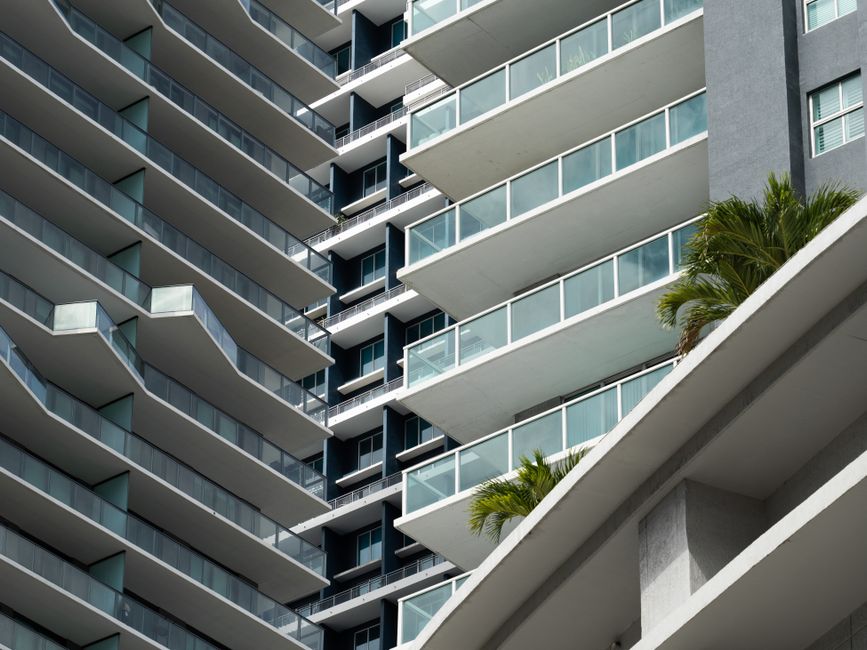
Most balcony herb gardens die within six weeks. Not because you lack a green thumb. Because nobody tells you the truth about wind shear on the 14th floor, the way afternoon sun reflects off glass railings, or why that cute $12 terracotta pot from the hardware store is actually working against you.
This guide skips the Pinterest fantasy. You’ll learn which herbs tolerate neglect, which containers actually work on a 4-foot by 6-foot slab of concrete, and what to buy at a garden center versus a grocery store. No affiliate links. No sponsored products. Just what survives.
The Sun Audit: Your Balcony Is Lying to You
Before you buy a single plant, you need to know your balcony’s actual sun exposure. Not what you think it is. Not what the leasing office brochure says. The real number, measured over a full day.
How to Measure Sun Hours Without Any Equipment
Take a photo of your balcony every hour from 8 AM to 6 PM on a clear day. Look at the shadows. If a spot gets direct sunlight in the photo, that’s one hour of full sun. If it’s bright but no direct sun, that’s partial shade. If it’s dark, that’s shade.
Most apartment balconies fall into three categories:
- Full sun (6+ hours direct): South-facing, no overhead cover, no tall buildings blocking. This is rare in apartments but happens on top floors or corner units.
- Partial sun (3-5 hours direct): East or west-facing balconies. Morning sun is gentler than afternoon sun. This is the most common apartment situation.
- Shade (under 3 hours direct): North-facing, heavily shaded by other buildings, or covered balconies. Many herbs will struggle here, but a few will survive.
Here is the thing most guides won’t tell you: afternoon sun on a balcony is hotter than the same sun in a garden. Concrete and glass reflect heat. A west-facing balcony in July can hit 110°F even when the air temperature is 85°F. That kills basil in one afternoon if the soil dries out.
What Grows in Each Light Condition
| Light Level | Herbs That Thrive | Herbs That Will Die |
|---|---|---|
| Full sun (6+ hrs) | Rosemary, thyme, oregano, sage | Cilantro (bolts immediately), mint (scorches) |
| Partial sun (3-5 hrs) | Basil, chives, parsley, mint | Rosemary (gets leggy), lavender (won’t flower) |
| Shade (under 3 hrs) | Mint, chives, parsley | Basil, rosemary, thyme, oregano, sage |
If your balcony gets less than 3 hours of direct sun, you have two choices: grow mint and chives only, or buy a cheap LED grow light. The Barrina T5 LED Grow Light ($40 for a 4-pack on Amazon) clips onto a shelf and runs 12 hours a day for about $2 a month in electricity. It’s the difference between fresh mint in December and a pot of dead sticks.
Container Selection: Why Your Cute Pots Are Killing Your Herbs
The biggest mistake I see on apartment balconies is undersized containers. A 6-inch terracotta pot holds about 1.5 quarts of soil. That dries out in 4 hours on a hot balcony. Herbs in tiny pots are like fish in a bowl — they survive, but they never thrive, and one missed watering kills them.
Minimum Container Sizes That Actually Work
Here’s the rule: one herb plant needs at least 1 gallon of soil. Two gallons is better. Three gallons is ideal for basil and mint, which grow aggressively. Forget the 4-inch pots sold at grocery stores. Those are decorative, not functional.
For a 4-foot by 6-foot balcony, you can fit about 6-8 herbs in 2-gallon containers without crowding. That’s enough for a functional kitchen herb garden.
Terracotta vs. Plastic vs. Fabric: The Real Tradeoffs
Terracotta looks beautiful. It also wicks moisture out of the soil through the porous clay walls. On a windy balcony, a terracotta pot loses water twice as fast as plastic. If you water every morning before work, terracotta is fine. If you forget for two days in August, your basil is dead.
Plastic pots (like the Bloem Saturn 2-gallon round planter, $8 at Home Depot) hold moisture longer but can overheat in direct sun. Black plastic is the worst — it absorbs heat and cooks the roots. Choose white, tan, or light gray plastic if you go this route.
Fabric grow bags (like VIVOSUN 3-gallon grow bags, $15 for a 5-pack) are the sleeper pick for balconies. They drain well, prevent root circling, and you can move them easily. The downside: they look utilitarian and dry out slightly faster than plastic. But for herbs, they’re forgiving and cheap.
My pick for most apartment balconies: 2-gallon plastic pots in light colors. They hold enough soil, don’t dry out instantly, and won’t shatter if knocked over by wind. Save the terracotta for indoor use or shaded balconies.
The Wind Problem Nobody Mentions
If you live above the 5th floor, wind is your real enemy. A 15 mph breeze on a balcony is normal. A 30 mph gust during a storm is routine. That wind strips moisture from leaves and soil, knocks over lightweight pots, and breaks stems on tall herbs like basil and dill.
Here’s what works:
- Low, wide pots beat tall, narrow pots. A 12-inch wide pot won’t tip over. A 8-inch tall pot will.
- Group pots together. A cluster of 4-6 pots creates its own windbreak. The outer pots take the hit; the inner pots stay protected.
- Use a railing planter with a lip. The Worth Garden 24-inch railing planter ($35) hooks over standard balcony railings and sits below the wind line. It holds 3 gallons of soil and works for trailing herbs like oregano and thyme.
- Stake tall herbs early. Basil and dill grow 2-3 feet tall. A 12-inch bamboo stake pushed into the soil when the plant is 6 inches tall prevents a snapped stem later.
If your balcony faces a prevailing wind direction (usually west or northwest in most U.S. cities), put your hardiest herbs — rosemary, thyme, oregano — on the windward side. They have woody stems and small leaves that resist wind damage. Put basil and parsley in the protected center of your pot cluster.
7 Herbs Ranked by Survival Rate on a Balcony
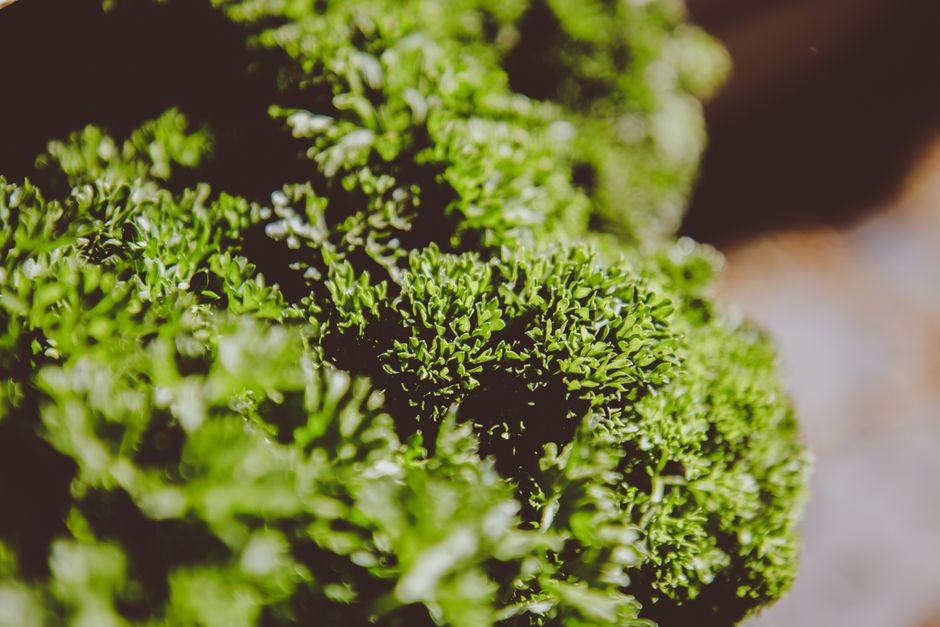
Not all herbs are equal. Some are nearly indestructible. Others die if you look at them wrong. Here’s my ranking based on real balcony conditions — wind, heat, inconsistent watering, and a renter who sometimes forgets.
1. Mint — The Unkillable
Mint survives almost anything except full desert sun. It grows in shade, partial sun, and full sun if watered enough. It spreads aggressively, which is why you should never plant mint in the ground — but in a container on a balcony, that aggression is a feature. One $4 mint plant from a garden center becomes a full 2-gallon pot within three months. Buy spearmint or peppermint, not fancy varieties like chocolate mint, which are weaker.
2. Chives — The Forgiving
Chives tolerate shade, drought, and neglect. They come back year after year even in cold climates. They’re also one of the few herbs that grow well from seed, so you can buy a $2 seed packet instead of a $5 plant. Cut them back to 1 inch and they regrow in two weeks. The only thing that kills chives is soggy soil — make sure your pot has drainage holes.
3. Thyme — The Windproof
Thyme has tiny leaves and woody stems that shrug off wind. It needs full sun to thrive but will survive in partial sun. It’s drought-tolerant once established, so forgetting to water for a few days won’t kill it. English thyme and lemon thyme are the most reliable varieties. Avoid woolly thyme, which is ornamental and weak.
4. Oregano — The Spreader
Oregano behaves like mint but tolerates more sun and less water. It trails over pot edges, so it works well in railing planters. Greek oregano has the strongest flavor and the toughest constitution. One plant fills a 2-gallon pot by mid-summer. It survives winter in USDA zones 5 and warmer, so it may come back next spring even on an exposed balcony.
5. Rosemary — The Slow but Steady
Rosemary is a Mediterranean shrub that loves heat, wind, and dry soil. The catch: it grows slowly and hates being overwatered. A small rosemary plant from a nursery ($8-12) will take a full season to reach harvestable size. But once established, it’s nearly immortal. Buy a 1-gallon plant, not a 4-inch seedling. The bigger the rosemary plant you start with, the better your odds.
6. Basil — The High-Maintenance Star
Basil is the herb everyone wants and the herb most people kill. It needs consistent moisture, protection from wind, and at least 5 hours of sun. It also bolts (goes to seed and turns bitter) when temperatures exceed 90°F for several days. If you grow basil, put it in the most protected spot on your balcony, use a 3-gallon pot, and water it every morning in summer. Genovese basil is the standard for pesto. Thai basil is slightly tougher and handles heat better.
7. Cilantro — The Heartbreaker
I’m including cilantro only to warn you. It bolts in warm weather, often within 3-4 weeks of planting. It hates heat, hates transplanting, and hates inconsistent water. If you want cilantro, grow it from seed in early spring or late fall, and accept that you’ll get 4-6 weeks of harvest before it flowers and dies. Slow-bolt varieties like ‘Calypso’ extend the window slightly but don’t solve the fundamental problem.
Watering, Soil, and Fertilizer: The 80/20 of Herb Survival
Most herb problems come down to two things: overwatering or underwatering. Herbs are not houseplants. They don’t want to sit in wet soil. But on a hot balcony, they also can’t go bone dry for days.
The Finger Test Works
Stick your index finger into the soil up to the second knuckle. If it feels dry at that depth, water. If it feels moist, don’t. That’s the entire watering system. No moisture meters, no apps, no schedules. In summer on a sunny balcony, you’ll water every day or every other day. In spring and fall, every 2-3 days. In winter, once a week or less.
Soil That Drains Is Non-Negotiable
Use a potting mix labeled for containers, not garden soil. Garden soil compacts in pots and suffocates roots. A good option is FoxFarm Ocean Forest Potting Soil ($25 for 12 quarts) or any quality potting mix with perlite added. For herbs, avoid mixes with moisture-retaining crystals — they hold too much water for Mediterranean herbs like rosemary and thyme.
Fertilizer: Less Is More
Herbs are not heavy feeders. Over-fertilizing produces fast, weak growth with less flavor. A single application of slow-release fertilizer at planting time is enough for most herbs. Osmocote Plus Outdoor and Indoor Smart-Release Plant Food ($10 for 1 pound) lasts 6 months and won’t burn roots. Basil and mint are the exceptions — they’re heavy feeders and benefit from a half-strength liquid fertilizer every 3-4 weeks during peak growth.
If your herb leaves turn yellow, that’s usually overwatering, not a nutrient deficiency. Let the soil dry out before watering again.
What to Buy and What to Skip
Here’s the honest shopping list for a functional balcony herb garden.
Buy from a garden center or nursery: Mint, chives, thyme, oregano, rosemary. These are cheap ($4-8 per plant), already established, and transplant well. A 4-inch nursery pot is fine for these hardy herbs — they’ll grow into whatever container you give them.
Buy from seed: Basil, cilantro, dill. These grow fast from seed and don’t transplant well. A $2 seed packet gives you 50+ plants. Start basil indoors in late spring or sow directly in a 3-gallon pot on the balcony once nighttime temperatures stay above 50°F.
Skip entirely: Lavender (needs perfect drainage and full sun, struggles in humidity), sage (slow-growing, finicky about water), and any herb sold in a decorative ceramic pot from a grocery store (rootbound, overwatered, and usually half-dead already).
Total startup cost for 6 herbs in proper containers with good soil: $60-80. That’s less than three weeks of buying fresh herbs from the grocery store, and you’ll have herbs for 6-8 months of the year.
Quick Verdict: What to Plant This Weekend
If you have partial sun and no idea what you’re doing, start with these four: mint, chives, thyme, and oregano. They’re the most forgiving. Buy them as small plants from a nursery, put them in 2-gallon plastic pots with drainage holes, use quality potting mix, and water when the soil feels dry at knuckle depth.
If you have full sun and want a challenge, add rosemary and basil. Rosemary is slow but indestructible once established. Basil is fast and rewarding but demands daily attention in summer.
Skip cilantro unless you’re planting in early spring or late fall. Skip lavender entirely. And remember: the herbs that survive on balconies are the ones that evolved in rocky, windy, dry Mediterranean hillsides — not the ones that evolved in lush river valleys. Work with that, not against it.