

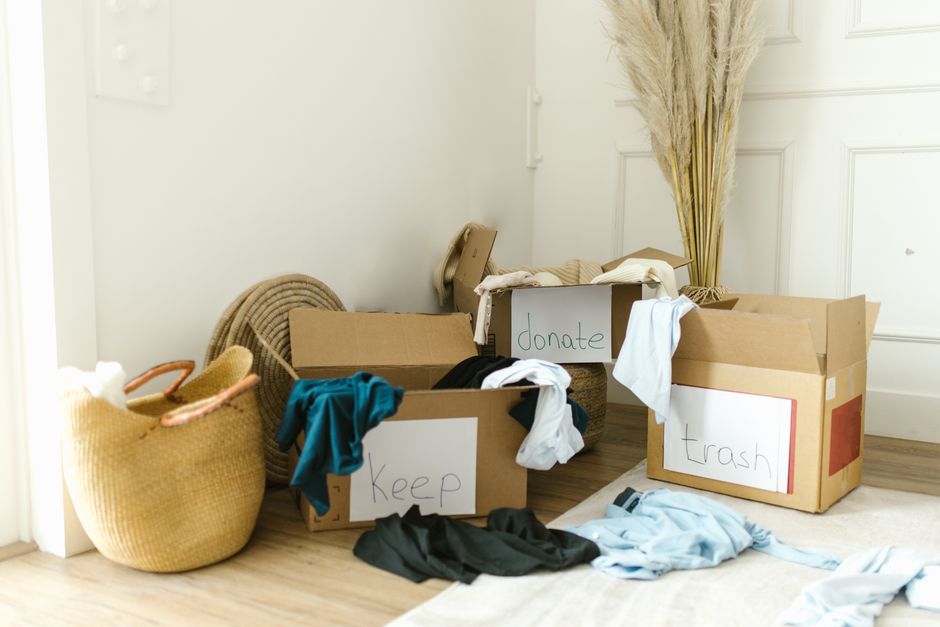
Coats land on the nearest chair, bags collect beside the door, and the entryway looks untidy again by dinner. The fix is not a larger basket alone; it is a drop zone designed around what your household actually carries.
Why Coat and Bag Piles Return Even With a Basket
The real problem is unfinished storage
Most entryways fail because they ask people to make too many decisions. A coat needs a hook, a handbag needs a shelf or basket, shoes need a clear floor zone, and items that leave the house tomorrow need a temporary home. When any one of those homes is missing, objects stop halfway through the routine. A coat goes over a chair. A work bag stays on the floor. A scarf gets dropped on the stairs.
A basket works only when it sits at the exact point where the habit breaks. If a person must open a cupboard, move two pairs of shoes, or reach above eye level, the basket becomes decoration. The best position is usually within one step of the door and between knee and waist height.
Match storage to the daily load
Count the items that arrive during a normal weekday. One adult may bring a coat, handbag, tote, hat, scarf, and reusable shopping bag. Two adults and children can create ten or more loose items before breakfast. A single small basket cannot absorb that volume without becoming a mixed pile that nobody wants to sort.
The first rule is simple: store soft, flexible items in baskets and hang structured garments on hooks. Baskets should hold bags, hats, gloves, scarves, and small personal items. Coats need vertical storage because fabric takes up too much basket volume and blocks access to everything underneath.
The best entryway basket is the one that removes a step. Put it where bags already land, give each regular user a defined space, and keep the opening wide enough for a one-handed drop.
What Basket Size Actually Works at an Entryway
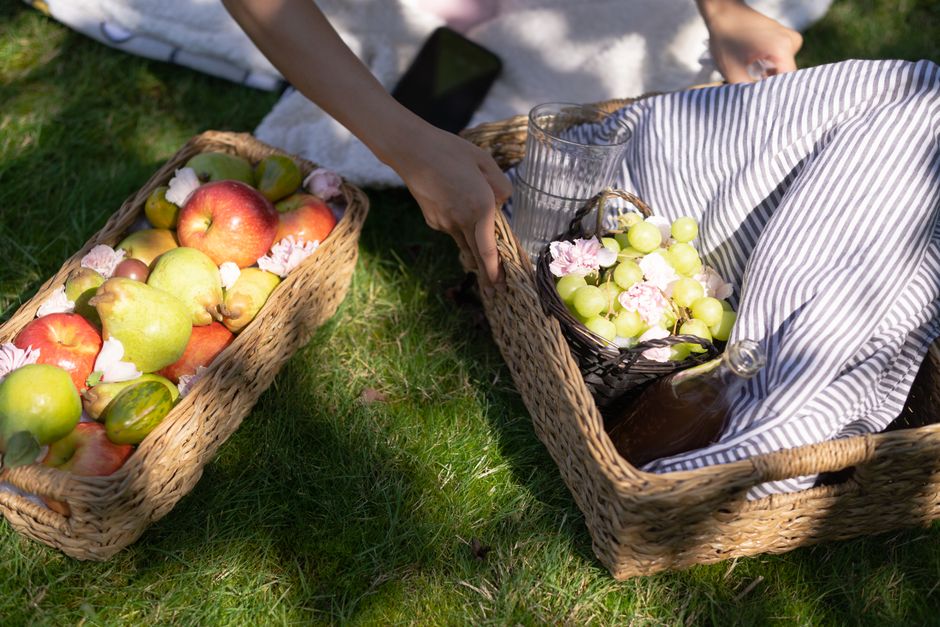
Use capacity, not appearance, as the test
A basket can look generous in a product photo and still fail beside a busy door. Measure the shelf, bench, or floor space first. Then allow room to pull the basket forward without scraping the wall. The useful question is not whether a basket is attractive. It is how many daily items it can hold while leaving enough space to retrieve one item without emptying the whole container.
| Basket size | Best use | Realistic capacity | Main risk |
|---|---|---|---|
| 10 to 12 inches wide | One person or a small console | One handbag, hat, and scarf | Overflows after one busy day |
| 13 to 15 inches wide | Shared family drop zone | Two small bags and several accessories | Needs a firm shelf or floor space |
| 16 to 18 inches wide | Large totes, backpacks, and winter accessories | One backpack or two large soft bags | Becomes a catch-all without limits |
| Under 8 inches deep | Narrow hallway or wall shelf | Mail, gloves, keys, and slim pouches | Too shallow for large handbags |
Choose a wide opening over a tall wall
For daily use, a 13-inch cube usually offers the best balance. It fits beside a bench, accepts a handbag without forcing it sideways, and remains easy for children to reach. Tall, narrow baskets are better for umbrellas or rolled blankets than for bags because the bottom becomes hard to access.
For a narrow hallway, choose two shallow baskets instead of one deep basket. A shallow container preserves visibility and stops people from hiding unwanted items underneath the visible layer.
How to Build a Drop Zone That People Use
Set the storage height first
Measure from the floor to the top of the basket opening. Adults can use a basket around 18 to 30 inches high, while children need their own container closer to knee height. If the basket sits on a high console, test it with a full tote. You should be able to lift the bag out without twisting your wrist or knocking over nearby objects.
Follow this five-step setup
- Clear the landing area. Remove furniture and loose objects from the first 24 inches inside the door.
- Hang coats above the drop zone. Use one hook per regular coat, plus one spare hook for guests.
- Assign the basket job. Write down what belongs inside: bags, hats, scarves, gloves, or items leaving tomorrow.
- Keep the floor visible. Use a tray or shoe rack for footwear so the basket does not become a general storage bin.
- Set a two-minute reset. Empty receipts, food containers, and old packaging every evening or every second day.
The order matters. Hooks handle bulky vertical items, baskets handle soft loose items, and a tray handles small hard items such as keys. One container should not perform all three jobs.
Leave at least 6 inches of clear space around the basket opening. A container packed tightly between furniture and a wall is technically available but practically ignored. The goal is a smooth handoff from outside life to inside storage.
Which Entryway Baskets Are Worth Buying?
Best value: IKEA BRANÄS
The IKEA BRANÄS basket is the strongest budget pick for a standard entryway. Its open rattan-style construction keeps the contents visible, and the size works for a handbag, small backpack, or a pair of large totes. It needs a dry location and a firm shelf because woven sides can flex under a heavy load.
Choose BRANÄS for a household that wants one basket per person. Do not use one large BRANÄS as a shared family bin; the open shape makes it easy for the bottom to disappear under hats and scarves.
Best for a soft-sided shelf: mDesign Water Hyacinth Storage Basket
Its square footprint holds its shape better than a loose fabric bin, while the built-in handles make it easy to carry items to another room. It is a good choice for purses, reusable shopping bags, and winter accessories.
For a darker or more modern entryway, the solid sides look tidier than an open wire basket. The tradeoff is visibility: people may forget what is inside. Label it by person or use, not with a vague label such as miscellaneous.
A shallow version works better than a deep cube when the hallway has less than 18 inches of usable depth. It can hold a laptop sleeve, slim tote, gloves, and a folded scarf without blocking the walking path.
My clear recommendation is IKEA BRANÄS for the lowest-cost personal basket, mDesign for a sturdy cubby, and a shallow Brightroom model for a tight hallway. A basket should match the space first and the room style second.
Which Setup Will Keep the Pile Gone?
For one or two adults
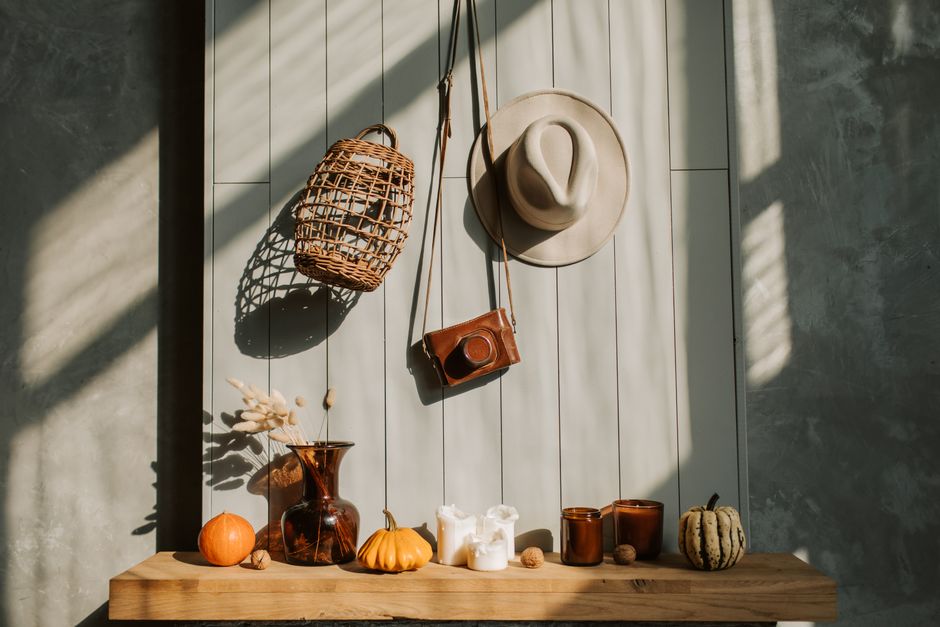
Use one personal basket per adult, mounted or placed between knee and waist height. Add four to six hooks above it and reserve one hook for guests. A 13-inch basket is enough for a handbag, tote, scarf, and hat. If the same person carries a laptop backpack, choose a 15-inch-wide basket or move the backpack to a lower shelf.
For families with children
Give each child a low basket with a name or color, plus one shared basket for winter accessories. Keep the child baskets open and shallow. Deep containers create hidden layers that younger children will not sort. The adult drop zone can use an IKEA BRANÄS or mDesign basket, while children get smaller containers that they can reach without climbing.
For a small apartment, use a narrow bench with two shallow Brightroom-style baskets underneath and hooks on the wall above. For a larger home, use separate baskets by person rather than one central bin. The extra container count creates less sorting work and makes ownership clear.
The single most important takeaway is this: choose one open, correctly sized basket for each regular user, then pair it with hooks so bags and coats never compete for the same space.