

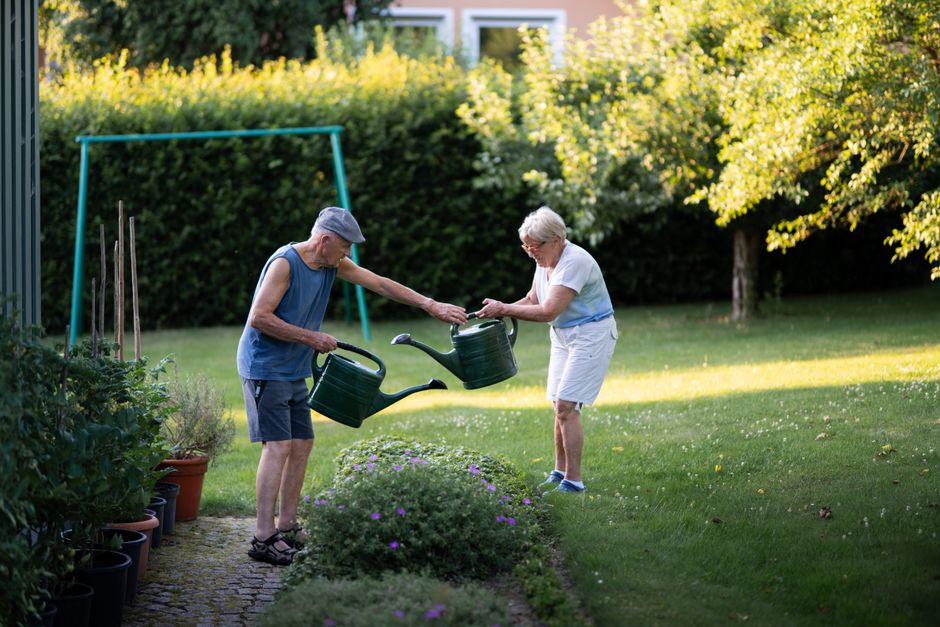
The best plant watering routine is not a rigid Monday-and-Thursday calendar. It is a small system built around soil moisture, pot size, light, and the number of days you will be away. For most homes, the winning setup combines one weekly inspection, grouped plants, and simple automatic watering only where hand-watering keeps failing.
Start with the routine before buying equipment. The goal is predictable moisture, not more technology.
How to build a watering routine around plant type and pot size
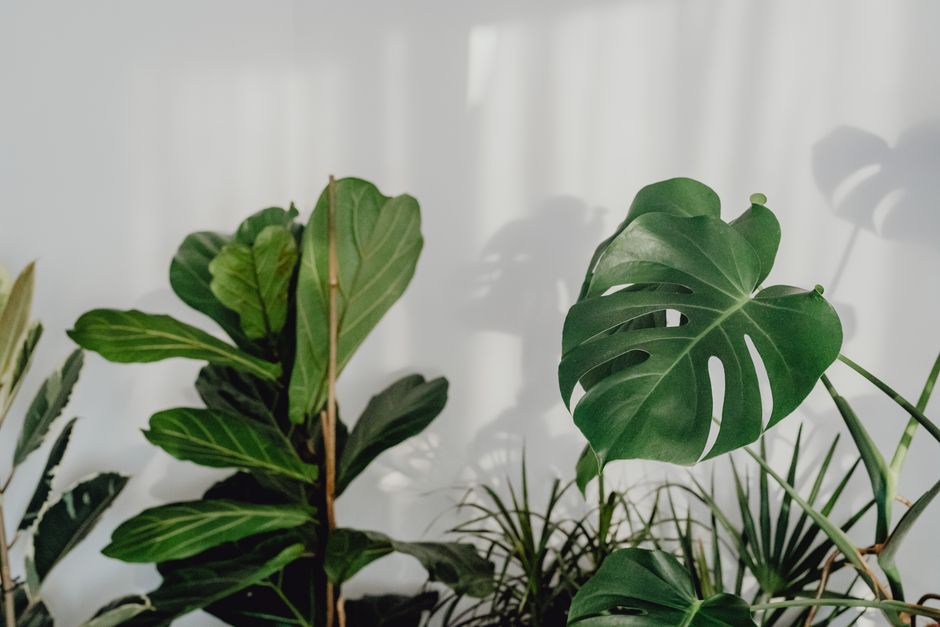
Sort plants into three practical watering groups
Group plants by how quickly they lose moisture, not by where they came from. This makes a busy week easier because you can check several pots at once.
- Dry-tolerant plants: snake plants, ZZ plants, cacti, and many succulents can wait until most of the potting mix dries. Check every 10 to 14 days indoors, then adjust after seeing how light and temperature affect them.
- Moderate drinkers: pothos, philodendrons, rubber plants, spider plants, and peace lilies often need water when the top 1 to 2 inches feels dry. For many indoor homes, that means checking once a week.
- Thirsty or shallow-rooted plants: basil, mint, ferns, seedlings, and small balcony pots may need checks every one to three days in hot, bright weather. Do not hide these plants inside a broad “houseplant” schedule.
Use a five-minute weekly check
Choose one fixed review point, such as Sunday morning, and move through the home in the same order. First look for wilted leaves, yellow lower leaves, cracked soil, fungus gnats, and water sitting in saucers. Next test the soil and lift the pot. Finally, water only the plants that need it and rotate pots that receive uneven light.
Record only useful information: the date, the plant group, and whether the pot felt dry, medium, or heavy. After three weeks, you will see a pattern. If a pot is dry every time, move it away from a radiator, use a larger container at the next repot, or add a measured watering aid. If it remains wet, improve drainage, reduce watering, or check for a blocked hole.
This routine wins because it fits a busy life. It has one weekly anchor but still respects the different water needs inside the home.
Which automatic watering tools fit a busy home?
Compare capacity, control, and failure risk
Automatic watering helps when your absence or schedule is the real problem. It does not fix compacted soil, blocked drainage, or a plant placed in harsh afternoon sun. Prices below are listed prices seen in 2026 and can change by country or retailer.
The best tool depends on the watering zone
The Blumat Classic is the strongest low-cost choice for a few indoor plants because each cone waters one pot and needs no electrical outlet. The manufacturer lists roughly 75 ml per day in its recommended setup, with output changing when you raise or lower the reservoir.
The GARDENA AquaBloom Water Reservoir Set is the better pick for many balcony pots. Its 10.5-liter reservoir and 20 pressure-equalizing drip heads spread water more evenly than a row of improvised bottles. The Orbit B-hyve XD wins outdoors when a hose bib and several watering zones already exist.
Do not buy the largest system by default. For 15 balcony pots, the larger system earns its cost by reducing separate daily checks.
How to set up a low-maintenance watering system
My strongest recommendation is to automate only the plants that repeatedly fail your normal routine. Keep easy, drought-tolerant plants on manual checks and reserve equipment for thirsty groups, hard-to-reach pots, or planned absences. That keeps the system small enough to understand.
Set up indoor pots with a measured reservoir
Before installing a Blumat Classic, water the plant normally and let excess water drain. Fill the clay cone completely, attach the cap, and push the cone deep into the soil near—but not directly against—the main stem. Place the tube in an opaque container of clean water. Keep the water level slightly below the cap for the gentler setting, then watch the pot for seven days.
Do not hide the reservoir behind furniture. You need to see its water level, clean it, and notice algae or debris. One cone may supply about 50 to 75 ml per day in a normal arrangement, but the plant, soil, and reservoir height change the result. If the mix stays wet, lower the container or reduce the number of cones. If the mix dries out, move the cone closer to the root zone or add a second cone only after checking drainage.
Set up balcony systems before the busy week begins
For a GARDENA AquaBloom system, group pots with similar water needs and keep drip heads secure in the soil. Flush the tubing before connecting the emitters. Place the reservoir where direct sun will not heat the water excessively, and keep the solar panel clear of shade during the part of the day when it charges.
Run the system for at least three days while you are home. Measure how much water reaches the driest and wettest pots. If one emitter floods a small pot, change the plant grouping or use a lower-flow head. If the farthest pot gets little water, shorten the tube run, clear the filter, and check for kinks.
The failure to avoid is installing an automatic system the night before leaving. Pumps clog, tubes disconnect, and a supposedly smart schedule can still water an empty saucer. A short test period turns those problems into cheap fixes.
What to do before a trip, and when not to automate
How long can plants go unattended?
Most indoor plants can handle a long weekend after a thorough check, but bright windows, small pots, and hot balconies shorten that window. Water deeply when the soil is ready, move plants out of intense afternoon sun, and group them together to slow moisture loss. Do not place every plant in a dark bathroom simply because it is cooler; low light can stress plants that need bright conditions.
For an absence of 7 to 12 days, use a tested watering aid for thirsty plants. The GARDENA AquaBloom system is designed for up to 20 balcony or patio plants for up to 12 days with its 10.5-liter reservoir, but that claim still depends on emitter flow, weather, plant size, and setup. Treat the number as a planning ceiling, not a promise.
What should never be automated without a backup?
Do not automate a plant in a container with poor drainage. Do not connect a hose timer to a cracked fitting or an outdoor tap that leaks. Do not leave a new pump system running while nobody has checked its actual output. Succulents and cacti also make poor candidates for constant low-flow watering because their soil needs a dry period.
Skip automation when a trusted person can check the plants once during a short trip. A human can spot a fallen pot, pest outbreak, broken stem, or blocked drain that a timer cannot detect. For a single small plant, hand-watering is often the cheaper and safer choice.
What should the final check include?
Two days before leaving, inspect every pot, clean filters, top up reservoirs, and confirm that no tube presses against a sharp edge. Put the system through one full watering cycle while you are home. Mark the normal water level with a piece of tape. Leave simple instructions for anyone checking the house: which plants need water, which ones must stay dry, and where the shutoff valve sits.
The compressed verdict is clear: use a weekly soil-based routine for normal weeks, Blumat Classic for a few indoor pots, GARDENA AquaBloom for many balcony containers, and Orbit B-hyve for hose-connected outdoor zones. Automation should reduce missed watering, not replace observation.
| Situation | Best routine | Best tool choice |
|---|---|---|
| Two to four indoor plants | Weekly soil and pot-weight check | Blumat Classic only for thirsty or hard-to-reach pots |
| Seven- to twelve-day balcony absence | Group plants, test emitters, shade harsh sun | GARDENA AquaBloom Water Reservoir Set |
| Outdoor beds with a hose connection | Separate plants by water need and zone flow | Orbit B-hyve XD Bluetooth 4-Outlet Timer |
| Succulents or pots with poor drainage | Manual checks with a dry period | No automatic watering until the setup is corrected |