

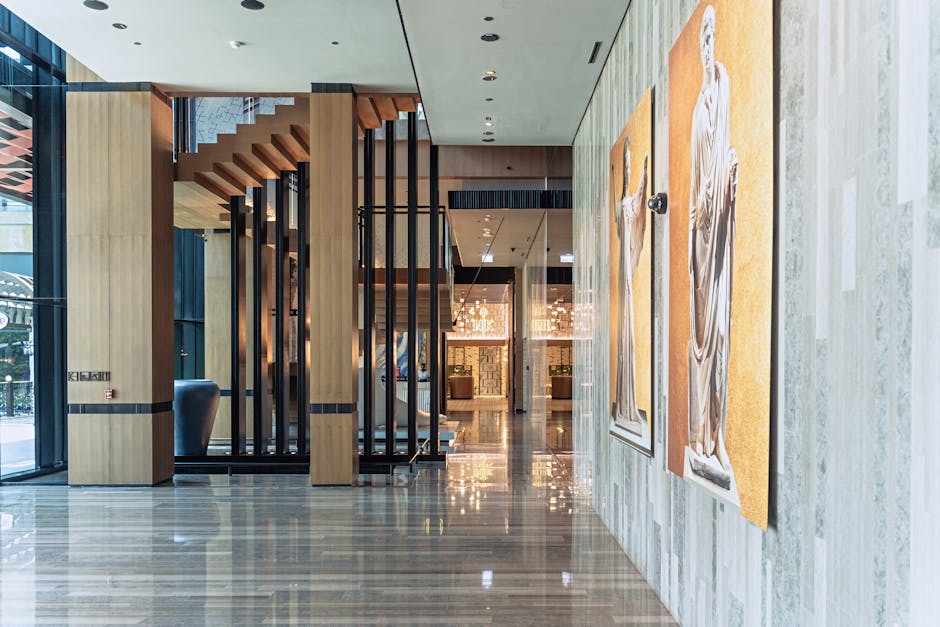
Did you know that Zagreb has more museums per capita than any other city in the world? This isn’t just a fun piece of trivia for your next pub quiz; it is a fundamental characteristic that defines the city’s DNA. This dense concentration of culture spills over directly into the hospitality sector, where the best hotels in Zagreb function less like mere lodging and more like curated galleries of history, architecture, and contemporary interior design. When you walk through the doors of a premier Zagreb establishment, you aren’t just checking into a room; you are stepping into a specific era of Central European aesthetics, ranging from the gilded flourishes of the Austro-Hungarian Empire to the sharp, functional lines of Yugoslav modernism.
For those of us who obsess over floor plans, textile choices, and the ergonomics of a well-placed armchair, Zagreb offers a fascinating study in contrast. Unlike the coastal resorts of Dalmatia that often lean into a breezy, Mediterranean minimalism, the capital’s hotels embrace a heavier, more soulful palette. Think deep velvets, dark woods, and brass accents that reflect the city’s intellectual and industrial heritage. Whether you are visiting for the world-famous Advent markets or a business trip, selecting the right base requires looking beyond the thread count and examining how a space makes you feel. A well-designed hotel should feel like an aspirational version of home—a place where the lighting is always flattering and the clutter is non-existent.
Luxury and Heritage: Historic Zagreb Hotels with Classic Interiors
When discussing the best hotels in Zagreb, the conversation invariably begins with the Esplanade Zagreb Hotel. Built in 1925 to provide a luxurious stopover for passengers on the Orient Express, this hotel is arguably the most famous building in the city. From an interior design perspective, it is a masterclass in Art Deco elegance. The lobby greets you with vast marble expanses and a scent that feels like old money and expensive perfume. The rooms themselves—priced typically between €180 and €320 per night—feature heavy drapes, high ceilings, and furniture that pays homage to the 1920s without feeling like a dusty museum piece.
Pros: Unrivaled historical atmosphere, the legendary Zinfandel’s Restaurant, and exceptional service standards. Cons: The classic wing can feel slightly formal for travelers who prefer a laid-back, modern vibe. If you are looking for a place to use your high-end travel rewards credit card, this is the spot. Many travelers find that using a premium card like those offered via American Express (available through Awin finance partners) can help maximize points on these higher-tier stays while providing essential travel protections.
Another heritage heavyweight is the Hotel Capital. Located in a former bank building designed by the famous Austrian architect Ernst Gotthilf, this hotel manages to blend 20th-century grandeur with a surprisingly fresh, modern sensibility. The original bank vaults have been preserved, adding a touch of “heist movie” glamour to the basement areas. The rooms utilize a sophisticated palette of navy, gold, and cream, creating a sanctuary that feels incredibly private despite being in the heart of the Lower Town. Prices here usually hover around €160 to €210. The trade-off is that because it is a converted historic building, room shapes can be somewhat idiosyncratic, which might frustrate those who prefer the predictable layout of a purpose-built modern hotel.
Comparing Heritage Features in Top Zagreb Stays
| Hotel Name | Primary Style | Price Range | Key Interior Feature |
|---|---|---|---|
| Esplanade Zagreb | Art Deco / Belle Époque | €180 – €320 | Emerald Ballroom & Marble Lobby |
| Hotel Capital | Early 20th Century Heritage | €160 – €210 | Original Bank Vaults & Art Nouveau details |
| Palace Hotel | Secessionist (Renaissance Revival) | Varies (Renovating) | Stained glass and high-relief ceilings |
Modern Design and Boutique Stays: Where Trends Meet Comfort
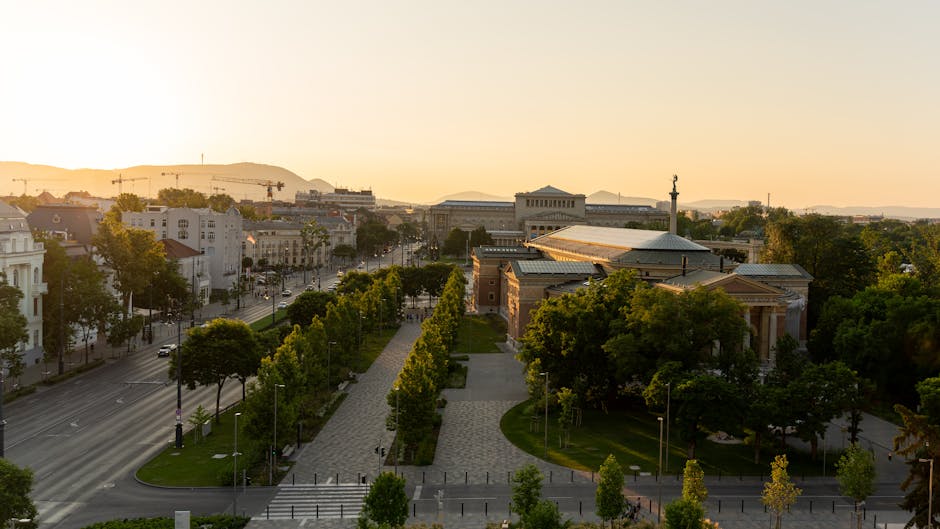
If the weight of history feels a bit too heavy for your tastes, Zagreb’s boutique scene offers a refreshing alternative. The Canopy by Hilton Zagreb City Centre is a standout example of how a global brand can successfully lean into local flavor. The interior design here is a vibrant tribute to Zagreb’s industrial past and the “Zagreb School of Animation.” You’ll find quirky touches like light fixtures inspired by industrial machinery and rugs that mimic the patterns of traditional Croatian folk dress, but reimagined in a contemporary color scheme. At approximately €130 to €170 per night, it offers a mid-range price point with high-end design sensibilities.
Pros: Incredible social spaces, free canopy bikes for exploring, and a fantastic breakfast spread. Cons: Located near the main train station (Branimir Centar), which is convenient for travel but about a 10-15 minute walk from the main square (Trg Bana Jelačića).
For those who prefer something more intimate, Hotel Jägerhorn is a mandatory mention. It is the oldest standing hotel in the city, tucked away in a quiet courtyard off the main Ilica street. While the exterior is historic, the interiors were renovated to balance traditional charm with clean, modern lines. It feels more like a chic guest house than a formal hotel. The blue-and-white color scheme in many rooms provides a calming contrast to the bustling city outside. Expect to pay between €110 and €150. The rooms are on the smaller side, which is the inevitable price of staying in a protected historic structure, but the courtyard café is one of the most beautiful spots in the city to enjoy a morning coffee.
When staying in these boutique spots, you might find yourself inspired to upgrade your own home office or bedroom. Retailers like Anthropologie or Made.com (accessible via Awin retail networks) often carry the exact kind of mid-century modern furniture and velvet textiles seen in these hotels. Bringing a piece of that Zagreb aesthetic home—perhaps a brass desk lamp or a geometric patterned throw—is a great way to make the vacation feeling last longer.
Strategic Locations: Choosing the Right Neighborhood for Your Stay
Selecting the best hotels in Zagreb isn’t just about the building; it’s about the neighborhood’s “vibe” and how it interacts with your daily plans. The city is essentially split into three distinct zones of interest for the design-conscious traveler: the Upper Town (Gornji Grad), the Lower Town (Donji Grad), and New Zagreb (Novi Zagreb).
- Lower Town (Donji Grad): This is where you’ll find the “Lenuci Horseshoe,” a U-shaped system of city squares and parks. Staying here means being surrounded by 19th-century architecture and the best museums. Hotels like the Esplanade and the Sheraton are located here. It is ideal for those who want to be able to walk to every major site.
- Upper Town (Gornji Grad): This is the medieval heart of the city. There are fewer large hotels here and more high-end apartments and small guesthouses. The streets are cobblestoned, and the lighting is still provided by manual gas lamps. It’s romantic, quiet, and perfect for those who value atmosphere over amenities like large gyms or swimming pools.
- Novi Zagreb: Located across the Sava River, this area is a dream for fans of Brutalist architecture and socialist modernism. While it is further from the traditional tourist center, it is home to the Museum of Contemporary Art. Hotels here, like the Hotel Antunović, often offer more space and better value for money, though you will need to rely on the city’s excellent tram system.
Speaking of the tram system and navigating the city, staying connected is vital. If you are traveling from the UK or elsewhere in Europe, checking your mobile plan before you arrive can save a fortune in roaming fees. Providers like EE or O2 (available via Awin telecom) often have travel bolt-ons or specific roaming packages that ensure you can use Google Maps to find those hidden Upper Town courtyards without a massive bill waiting for you at home.
Practical Considerations for Business and Long-Term Stays
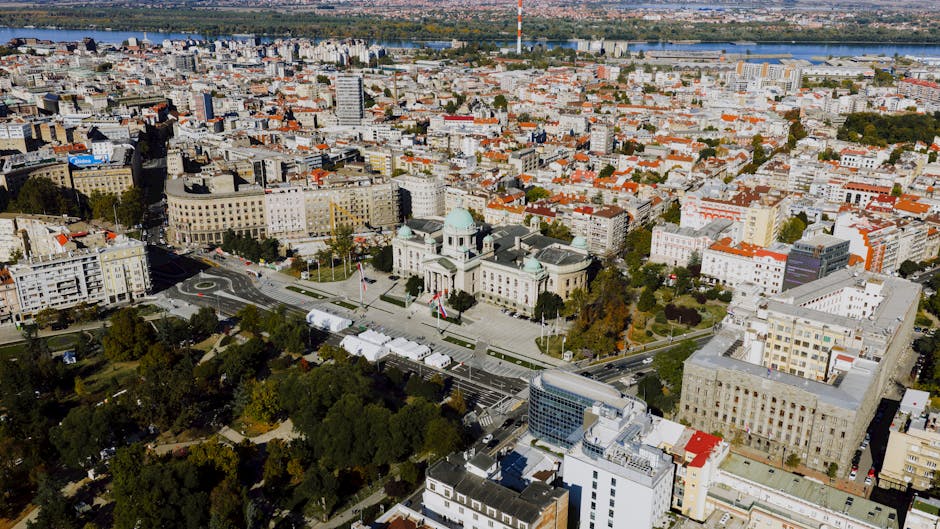
Sometimes, travel isn’t just about the aesthetics; it’s about the functionality of the space. If you are in Zagreb for a week of meetings or need a reliable “home base” for remote work, the larger international chains often provide the most consistent experience. The Westin Zagreb is a perennial favorite for business travelers. While the interior design is more corporate than the boutique options, it offers the famous “Heavenly Bed” and some of the best views in the city from its upper floors. Prices range from €140 to €200.
The Westin’s 17th-floor breakfast room provides a 360-degree view of the city, from the spire of the Cathedral to the rolling hills of Medvednica. Even if you aren’t a fan of corporate hotel design, the view alone is worth the stay.
Pros: Excellent fitness center, large desks in rooms, and very reliable high-speed internet. Cons: The decor can feel a bit dated in certain wings, lacking the “soul” of the smaller boutique hotels. If you find the hotel bed particularly comfortable, remember that many of these chains sell their mattresses and linens through retail partners—a common move for those looking to replicate the hotel experience in their own homes.
For those who need more than just a room, Amadria Park Hotel Capital offers a blend of apartment-style space with hotel service. Having a small kitchenette can be a lifesaver for longer stays, allowing you to sample the fresh produce from the Dolac Market and cook at home. This “home-away-from-home” approach is increasingly popular in Zagreb, reflecting a broader trend in interior design that prioritizes multi-functional living spaces. When booking these longer stays, it is often wise to use a credit card that offers enhanced cashback or travel points, which can be researched through various finance comparison tools (Awin finance partners) to ensure you are getting the most value out of your expenditure.
Packing Essentials and Booking Tips for a Smooth Zagreb Experience
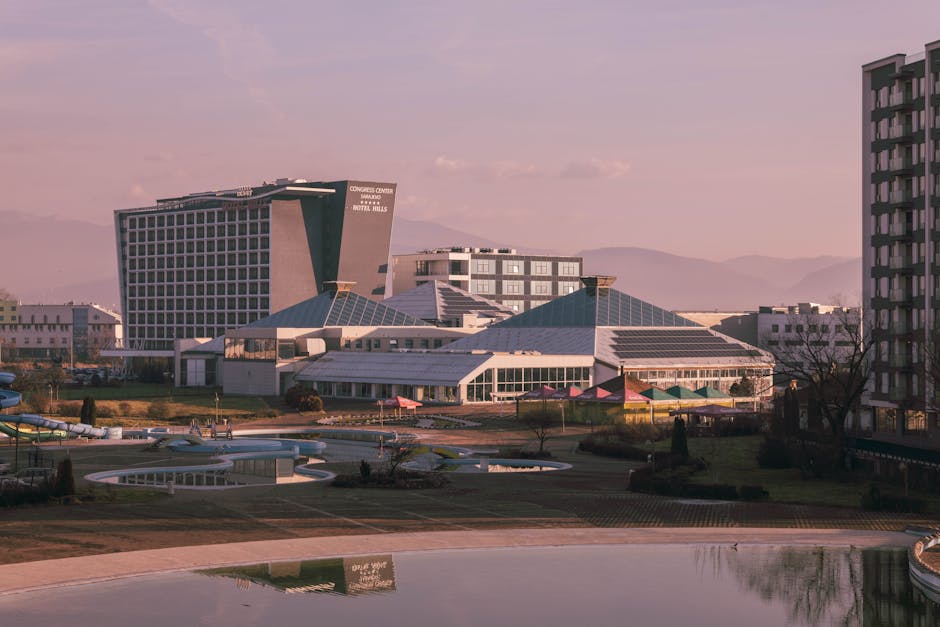
To truly enjoy the best hotels in Zagreb, you need to arrive prepared. The city is best explored on foot, which means your choice of luggage and footwear is just as important as your hotel choice. Zagreb’s streets are a mix of smooth pavement and treacherous medieval cobblestones. A sturdy, four-wheel suitcase from a brand like Samsonite or Tumi (available via Awin retail) is essential. Look for models with high-durability wheels that won’t rattle apart on the way to a boutique hotel in the Upper Town.
The Deep Researcher’s Checklist for Zagreb Hotel Booking
- Check the Floor Level: Many historic hotels in the city center lack elevators or have very small ones. If you have mobility issues or heavy luggage, always confirm the floor and elevator situation.
- Noise Sensitivity: Zagreb has a vibrant café culture. If your room faces a popular pedestrian street like Bogovićeva or Tkalčićeva, expect noise well into the evening. Ask for a courtyard-facing room if you are a light sleeper.
- The Earthquake Factor: Following the 2020 earthquake, many buildings underwent significant structural reinforcement. Check recent reviews to ensure there is no ongoing construction or scaffolding obscuring those famous city views.
- Seasonal Pricing: Zagreb is one of the few European capitals where winter can be more expensive than summer due to the massive popularity of the Advent markets. If you are on a budget, the “shoulder” months of May or September offer the best balance of weather and price.
- Loyalty Programs: Many of the best hotels in Zagreb are part of Marriott, Hilton, or IHG networks. Even if you prefer boutique stays, the points accumulated from one stay at the Westin or Canopy can often fund a future trip elsewhere.
Ultimately, the best hotel in Zagreb is the one that aligns with your personal interior philosophy. Do you crave the high-ceilinged, velvet-draped drama of the 19th century? Or does your mind feel more at ease in a streamlined, industrial-chic environment where every plug socket is exactly where it should be? Zagreb offers both in abundance. By taking the time to research the architectural history and design intent behind these spaces, you turn a simple overnight stay into a genuine immersion into Croatian culture. And isn’t that the point of travel? To see how other people live, and perhaps bring a small piece of that inspiration back to your own four walls.