

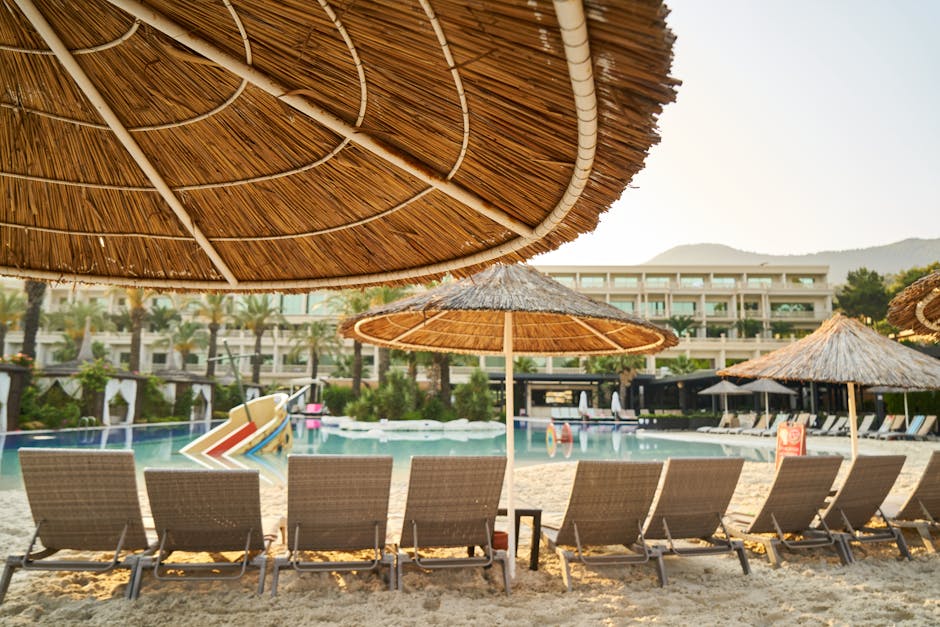
There is a persistent, somewhat tired narrative that Zakynthos—locally known as Zante—is exclusively a destination for neon-lit strip clubs and low-budget package holidays. This reputation stems largely from the concentrated chaos of Laganas, but to judge the entire island by that single southern stretch is a significant analytical error. In reality, Zante has quietly undergone a massive architectural transformation over the last decade. It has become a legitimate hub for some of the most sophisticated Mediterranean modernism in the world. For those of us who prioritize spatial flow, materiality, and interior cohesion, the island now offers a portfolio of properties that rival the high-concept boutiques of Mykonos or Santorini, often with more space and better integration into the natural landscape.
When searching for the best hotels in Zante, the discerning traveler should look past the marketing fluff of ‘luxury’ and instead examine the structural choices made by the architects. We are seeing a move away from the generic white-and-blue Greek aesthetic toward something far more grounded: biophilic design, heavy use of local Zakynthian stone, and a palette of olives, sands, and muted clays. This shift reflects a deeper understanding of how a building should interact with the Ionian light. The following analysis explores these top-tier stays through the lens of design excellence and functional luxury.
Luxury Design Hotels in Zakynthos: Debunking the Budget Party Island Myth
The misconception that Zante lacks high-end design is quickly dismantled the moment you step into the hills of Tsilivi or the secluded coastline of Akrotiri. The island’s luxury sector has leaned heavily into ‘Tropical Modernism,’ a style that blends sharp, clean lines with lush, organic greenery. This isn’t just about aesthetics; it is a response to the climate. By using thick stone walls and strategic water features, these hotels manage temperature naturally while creating a seamless transition between indoor and outdoor living areas.
The Evolution of Zakynthian Architecture
Historically, Zakynthos was known as the ‘Flower of the Levant’ under Venetian rule, and that influence is still visible in the arches and squares of the main town. However, the 1953 earthquake destroyed much of the historic fabric. The silver lining of this tragedy was the eventual blank canvas it provided for contemporary architects. Today’s best hotels in Zante utilize ‘Kourasani’—a traditional mortar mix of volcanic sand and lime—to create textured walls that catch the light in ways a flat paint never could. This attention to tactile surfaces is what separates a standard five-star resort from a design masterpiece.
To truly appreciate the interiors, one must look at the joinery. Many of the newer boutique properties commission bespoke furniture from local craftsmen, using solid oak and chestnut. This creates a sense of place that you won’t find in corporate hotel chains. When you are sitting in a hand-woven rattan chair on a terrace overlooking the Ionian Sea, the design should feel like an extension of the cliffside, not an imposition upon it.
Top-Rated Adults-Only Retreats for Minimalist Interior Inspiration
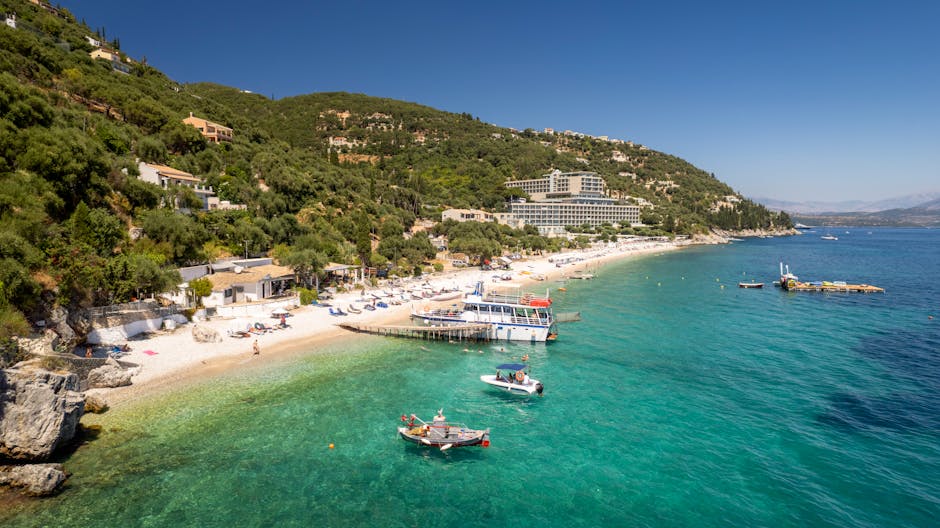
For those seeking a sanctuary where the interior design promotes mental clarity, the adults-only sector in Zante is unparalleled. The standout here is undoubtedly the Olea All Suite Hotel. Perched on a hill, it is less of a hotel and more of a sprawling water-garden. The architects, Block722, focused on the element of water as a central design pillar. A 4,000-square-meter pool meanders through the property like a lake, reflecting the olive trees and the cubic, sandy-colored suites.
Olea All Suite Hotel: A Masterclass in Texture
The interiors of Olea are a study in minimalism. You won’t find bold patterns or jarring colors here. Instead, the luxury is found in the quality of the materials. Think linen curtains that move with the sea breeze, smooth concrete floors, and bamboo ceilings. The rooms typically range from £380 to £750 per night depending on the season and whether you opt for a private pool.
- Pro: Exceptional spatial design and a world-class spa that feels like a subterranean cave.
- Con: The walk to the nearby beach is steep and the surrounding Tsilivi area is quite commercial.
Another notable mention is the Zante Maris Suites. It follows a similar aesthetic but on a more intimate scale. The use of dark wood accents against pale stone creates a sophisticated contrast that feels both masculine and warm. It is the kind of interior design that encourages you to put your phone away and simply exist within the space.
Family-Friendly Resorts with High-End Residential Aesthetics
Traveling with a family usually means compromising on design in favor of plastic-heavy ‘kids clubs’ and durable, uninspired furniture. However, Zante has a few outliers that treat family suites with the same architectural respect as their honeymoon villas. Lesante Cape is perhaps the best example of this. Designed to resemble a traditional Zakynthian village, it centers around a communal square, but the interiors are anything but ‘rustic’ in the dated sense.
Lesante Cape: Traditionalism Reimagined
The design team at Lesante Cape used traditional Ionian architecture—tall ceilings, shutters, and stone archways—but finished them with contemporary flair. The villas feature large dining areas and kitchens that look like they belong in a high-end architectural digest. Prices for a family-sized villa can climb to £1,200 per night during the peak of August, but the privacy and design integrity are significant.
- Pro: Cultural authenticity without sacrificing modern amenities; incredible on-site museum and traditional cafe.
- Con: The property is massive, meaning you may need a golf buggy to get around.
For a more boutique family experience, Domes Aulūs Zante offers a ‘Cool Inclusive’ concept. The interiors here lean into the ‘Slow Living’ trend, with earth tones and sustainable materials like cork and reclaimed wood. It’s a softer, more approachable take on luxury that feels residential rather than institutional.
Comparing Coastal vs. Inland Boutique Stays: Which Design Suits You?
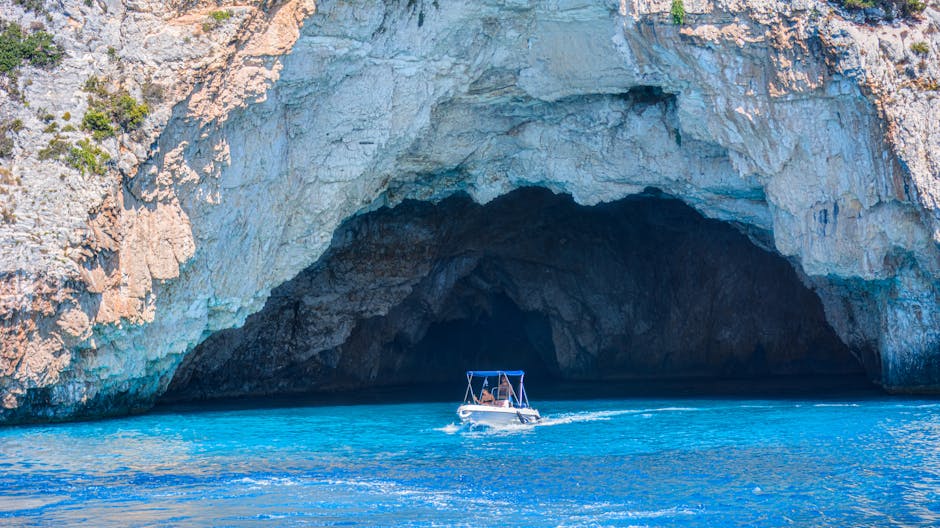
Choosing where to stay in Zante often comes down to a trade-off between immediate beach access and the quiet, elevated views of the interior hills. Coastal properties tend to use lighter palettes—whites, pale blues, and blond woods—to maximize the brightness reflected off the sea. Inland properties, often converted from old manor houses or olive groves, use darker stones, terracotta, and deeper greens to blend into the landscape.
| Feature | Coastal (e.g., Lesante Blu) | Inland (e.g., Erietta Villas) |
|---|---|---|
| Primary Material | Glass and White Marble | Local Stone and Exposed Beam Wood |
| Lighting Strategy | Floor-to-ceiling windows for sea views | Deep eaves and shaded courtyards |
| Interior Vibe | Airy, Modern, Nautical-Lite | Grounding, Quiet, Organic |
| Price Range | £400 – £900 per night | £250 – £550 per night |
If you are the type of person who finds peace in expansive horizons and the sound of waves, the coastal design language of Lesante Blu will resonate. It is an all-suite, adults-only hotel where every room faces the ocean. The design is crisp and sharp, emphasizing the blue of the Ionian. Conversely, if you prefer the smell of pine and the sound of cicadas, moving just two miles inland can offer a completely different interior experience that feels more connected to the island’s agricultural heritage.
Essential Gear and Financial Prep for a Greek Island Escape
A trip to Zante’s high-end hotels requires more than just a passport. To truly enjoy the aesthetic experience, you need the right tools. If you are planning to capture the stunning interiors of your suite, a high-quality camera is non-negotiable. I recommend looking at the Sony Alpha A7 IV (available at Currys for approximately £2,100). Its low-light performance is perfect for capturing the moody, ambient lighting found in Zante’s top spas and evening lounges.
Travel Logistics and Protection
When investing several thousand pounds into a luxury stay, protecting that investment is logical. Before booking, check your credit card benefits. Many premium cards like the American Express Platinum (check Awin’s finance partners for current offers) provide built-in travel insurance and room upgrades at properties within their Fine Hotels + Resorts collection. If your card doesn’t offer this, sourcing a comprehensive policy through a provider like MoneySuperMarket is a small price to pay for peace of mind against flight cancellations or medical emergencies.
Furthermore, don’t overlook your luggage. Dragging a cheap, rattling suitcase through a beautiful stone-paved hotel lobby is a mood-killer. Consider the Samsonite Lite-Shock Spinner (found at John Lewis for around £320). It is incredibly lightweight—vital for the small transfer planes or ferries—and its ripple-design shell is practically indestructible. It matches the sleek, modern aesthetic of the hotels we’ve discussed perfectly.
Investing in high-quality travel gear isn’t just about utility; it’s about maintaining the ‘flow’ of your trip. When your equipment works seamlessly, you can focus entirely on the design and atmosphere of your destination.
The Pinnacle of Privacy: Porto Zante Villas & Spa
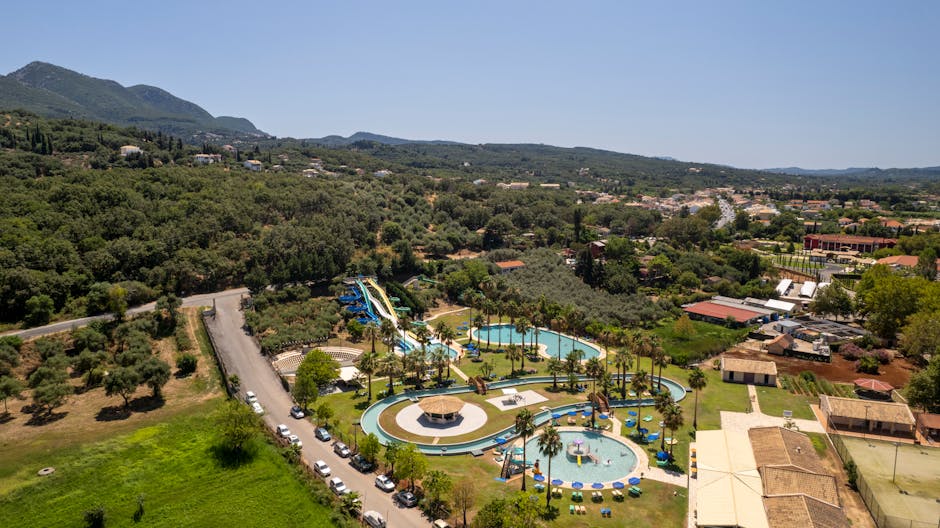
If we are discussing the absolute best hotels in Zante, we cannot ignore Porto Zante Villas & Spa. This property exists in a tier of its own. It is frequently voted as one of the best hotels in the world, not just Greece. What makes it stand out from an interior design perspective is the sheer density of luxury brands integrated into the rooms. We are talking about Armani Casa furniture, Gervasoni lighting, and Bvlgari amenities.
Ultra-Luxury Interiors and Amenities
The design philosophy at Porto Zante is ‘maximalist privacy.’ Each villa is a fortress of high-end decor. The walls are adorned with Greek art, and the kitchens are stocked with Christofle cutlery. This isn’t just a place to sleep; it’s a curated gallery of European design. However, this level of detail comes at a staggering price, often exceeding £2,500 per night in the shoulder season and much more in July.
- Pro: Total seclusion; private beach access; world-class service where the staff remembers your preferred thread count.
- Con: Prohibitively expensive for most; the level of formality might feel stifling for those who prefer a laid-back island vibe.
The spa at Porto Zante is also a design marvel, offering over 20 treatments from around the world in a setting that utilizes natural light and sea views to create a sense of weightlessness. For the interior enthusiast, even a walkthrough of this property is an education in how to layer textures and brands without making a space feel like a showroom.
Logistics and Booking Strategies for Peak Season
Zante is a seasonal island. Most of the best hotels close their doors in late October and don’t reopen until May. To get the best value—and the best rooms—booking windows are crucial. For a June stay, I recommend booking no later than January. This is when the ‘Early Bird’ discounts are most aggressive, often shaving 20% off the total cost.
Timing Your Visit for the Best Light
If you are visiting specifically for the architecture and photography, the ‘Golden Hour’ in Zante is particularly long during June and September. The heat in July and August can be oppressive, reaching 35°C+, which can make the bright white surfaces of some hotels uncomfortable to the eye. September offers a softer, more golden light that highlights the textures of the stone and wood beautifully. It is also when the island is quieter, allowing you to appreciate the spatial design of the hotels without the crowds.
When booking, always check for ‘Direct Booking’ perks. Many Zakynthian hotels, like the Lesante group, offer free airport transfers or spa credits if you book through their official website rather than a third-party aggregator. Also, ensure your mobile data is sorted. While hotel Wi-Fi is generally excellent in these luxury spots, the hilly terrain can make GPS spotty when you’re out exploring. A roaming pass or a local eSIM (check telecom providers on Awin) is a small but vital logistical detail.
Ultimately, the best hotels in Zante are those that respect the island’s landscape while pushing the boundaries of modern Mediterranean design. Whether you choose the water-centric minimalism of Olea or the palatial privacy of Porto Zante, you are stepping into a side of the island that most tourists never see. It is a world of refined stone, bespoke oak, and thoughtful lighting—a far cry from the neon lights of the southern coast.