

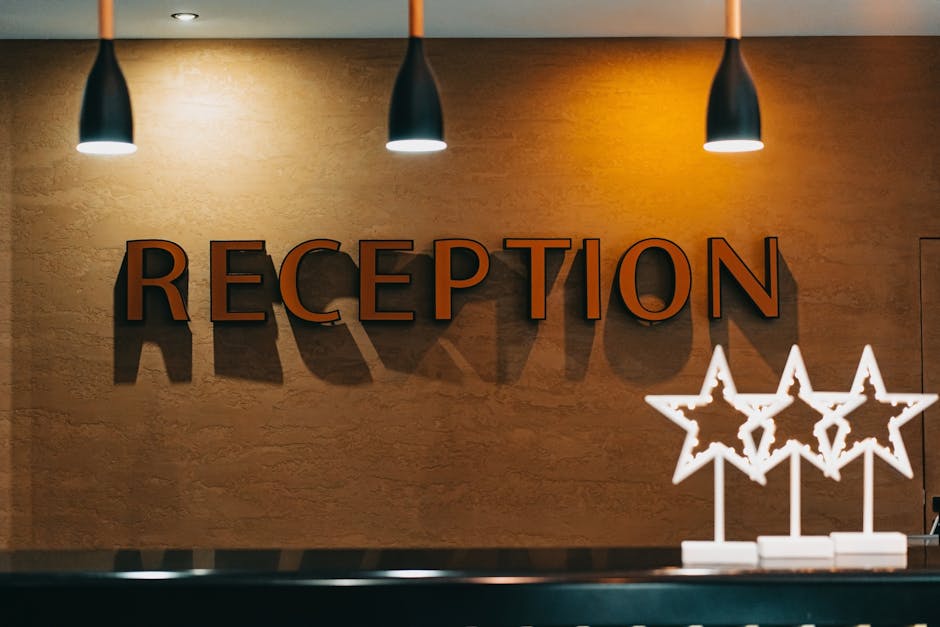
Wellington is a city defined by its edges—the sharp gust of a southerly wind, the jagged coastline of the harbor, and the steep, bush-clad hills that hem in its compact urban core. This physical compression has forced a unique kind of creativity in the city’s architecture and, more importantly, its interior design. When searching for hotel deals in Wellington, the discerning traveler isn’t just looking for a discount; they are looking for an entry point into this specific aesthetic culture. The capital’s hospitality scene is currently in a state of fascinating flux, where heritage bones are being dressed in avant-garde skins, offering a wealth of inspiration for those interested in residential design and home styling.
The challenge for the visitor in 2025 is navigating a market that is increasingly bifurcated. On one hand, you have the corporate giants that provide a predictable, if somewhat sterile, experience. On the other, a growing collection of boutique properties is redefining what “value” means by offering high-concept interiors that rival the world’s design capitals. To secure the best rates, one must understand the rhythm of the city. Wellington operates on a pulse of political sessions and cultural festivals. When the Beehive is empty, the city’s most luxurious rooms often see their prices slashed, providing a rare opportunity to experience top-tier interior design at a fraction of the usual cost.
How to navigate Wellington hotel pricing fluctuations for maximum value
Wellington’s hotel market is notoriously sensitive to the parliamentary calendar. When the government is in session, mid-week rates in the CBD (Central Business District) can skyrocket, often exceeding $450 NZD for a standard executive room. Conversely, when the politicians go home for the weekend or during the long summer recess, some of the city’s most prestigious addresses suddenly become accessible to the leisure traveler. If you are hunting for hotel deals in Wellington, the first rule is to consult the “sitting dates” of Parliament. Avoiding these windows can save you upwards of 30% to 40% on the same room, allowing you to reallocate that budget toward the city’s renowned culinary scene.
Seasonality also plays a massive role in the pricing algorithm. While summer (December to February) is the obvious peak for tourism, the shoulder seasons of late March and October often provide the best balance of manageable weather and reduced rates. Data from the past two years suggests that booking windows for Wellington have shrunk significantly. While we used to recommend booking three months in advance, the sweet spot for boutique properties now sits around 14 to 21 days before arrival. Hotels would rather fill a room at a significant discount than leave a designer suite empty. This “distressed inventory” strategy is particularly common among boutique operators who rely on high occupancy to maintain the atmosphere of their on-site bars and restaurants.
Another factor to consider is the “event surge.” Wellington is the events capital of New Zealand, hosting everything from the World of WearableArt (WOW) to major international rugby fixtures and the New Zealand Festival of the Arts. During these times, “deals” effectively disappear, and many hotels implement a three-night minimum stay. If your travel dates are flexible, use a calendar view on booking sites to spot the price craters. Often, moving your stay by just 48 hours can be the difference between a standard room and a junior suite for the same total spend. For the financially savvy, using credit card reward portals—often linked to major finance providers found via platforms like Awin—can further subsidize these costs, allowing you to stack points on top of the discounted base rate.
The best design-focused boutique hotels in Wellington for interior enthusiasts

If you are staying in Wellington to soak up the creative atmosphere, your hotel choice should reflect that. The city has seen a renaissance of heritage building conversions that prioritize texture, color, and local artistry. These properties often offer the most competitive deals because they rely on unique character rather than the massive marketing budgets of global chains. Here is a detailed look at the top contenders for those who appreciate curated spaces.
Naumi Studio Hotel Wellington
Located on the iconic Cuba Street, the Naumi Studio Hotel is a masterclass in maximalist interior design. It occupies the heritage-listed People’s Palace building, originally built by the Salvation Army in 1913. The transition from the Edwardian exterior to the explosion of color inside is nothing short of theatrical. Price range: $190 – $340 NZD.
- Design Specs: The lobby features a grand 10-meter-high ceiling, a massive floral backdrop made of over 4,000 pieces of gold-leafed wood, and velvet upholstery in deep crimson and emerald.
- Pro: The lobby and bar area are visual feasts, providing endless home decor inspiration for those looking to experiment with “cluttercore” or maximalist aesthetics. The attention to lighting design—using custom neon and vintage-style lamps—is exceptional.
- Con: The entry-level “Studio” rooms can be quite compact (approx. 16-18m²) and some face internal light wells rather than the street. For a more residential feel, you must upgrade to the “Executive” suites, which feature larger floor plans and more natural light.
QT Wellington
Situated directly across from Te Papa Museum, QT Wellington is essentially a livable art gallery. The interiors are moody, eclectic, and unapologetically bold. It is a favorite for those who want to see how high-end art can be integrated into a functional living space. Price range: $230 – $490 NZD.
- Design Specs: The hotel houses a multimillion-dollar private art collection. Rooms feature custom-designed wallpapers, leather-clad headboards, and a mix of mid-century modern and contemporary furniture.
- Pro: Every room feels unique, with high-end finishes and a mini-bar that actually feels curated with local New Zealand snacks and spirits. The Hippopotamus Restaurant on-site is a French-inspired design marvel with plush pink velvet and crystal chandeliers.
- Con: The hotel is split into two wings. The “Gallery” side is significantly more modern and polished, while the “Museum” side retains some older elements. This can lead to inconsistencies in guest experience if you don’t specify your preference during booking.
The Intrepid Hotel
For those who prefer a more understated, residential aesthetic, The Intrepid on Ghuznee Street offers a “luxe-industrial” vibe. It feels more like a high-end apartment in Soho than a traditional hotel. Price range: $280 – $410 NZD.
- Design Specs: The hotel is housed in the former office of the Cadbury Chocolate Company. It features exposed brick walls, original timber flooring, and oversized black-framed windows.
- Pro: Exceptional attention to detail in the fixtures—think solid brass fittings, premium linens from local suppliers, and a minimalist color palette of charcoal, cream, and oak. It’s located right above Puffin, one of the city’s most beautiful wine bars.
- Con: There are very few traditional hotel amenities; no gym, no pool, and a very small reception footprint. This is a property for the independent traveler who values privacy and design over concierge services.
Comparing luxury versus boutique hotel deals: A value analysis
When searching for hotel deals in Wellington, you will inevitably face the choice between the established luxury of a five-star chain or the quirky charm of a boutique stay. The decision often comes down to what you value more: predictable service and space, or unique aesthetics and location. The InterContinental, for instance, often runs “Stay & Dine” packages that, when broken down, offer better value for families or business travelers who need the consistency of a five-star operation, including a heated indoor pool and a full-service gym.
However, for the interior design lover, the boutique options almost always win on the “inspiration” front. Below is a comparison of what your money typically gets you in the $250 – $350 NZD price bracket in the capital.
| Feature | Standard Luxury (e.g., InterContinental) | Design Boutique (e.g., Naumi/QT) |
|---|---|---|
| Room Size | 32m² – 40m² (Spacious and airy) | 18m² – 28m² (Cosy and curated) |
| Interior Style | Classic, neutral, high-quality timber and marble | Bold, textured, art-heavy and eclectic |
| Amenities | Full gym, pool, club lounge, 24-hour service | Curated mini-bar, designer toiletries, unique bars |
| Best Deal Type | Early bird (30+ days) or Corporate rates | Last minute (under 14 days) or Sunday specials |
| Vibe | Professional, quiet, and predictable | Social, energetic, and visually stimulating |
| Bedding Quality | Standard 300-thread count, white linens | High-thread count, often colored or textured linens |
It is worth noting that the “luxury” sector in Wellington is currently undergoing several soft refurbishments. This means you can often find deep discounts on rooms that have not yet been updated to the latest 2025 standards. If you don’t mind a slightly dated carpet in exchange for a harbor view and a much lower price point, these “pre-reno” deals are worth hunting for. Conversely, the boutique hotels rarely discount their “signature” suites, focusing their deals on the standard rooms to keep occupancy high while maintaining the prestige of their top-tier offerings.
Leveraging finance and retail loyalty programs for hotel upgrades

Smart booking isn’t just about the price on the hotel’s website. To truly maximize Wellington hotel deals, you need to look at the ecosystem of retail and finance rewards. Many New Zealand and Australian-based credit cards, often promoted through finance networks on Awin, offer travel credits (usually ranging from $200-$400 annually) that can be applied directly to Wellington stays. When you apply this credit to a mid-week rate at a place like the Sofitel, your out-of-pocket cost can drop to double digits, making luxury accessible.
Retail loyalty programs also play a significant role. Through affiliate platforms, many retailers offer cashback or points that can be redeemed for travel vouchers. If you are already purchasing home interiors or tech through major retailers, ensure you are funneling those purchases through a portal that earns you travel rewards. Over a year, the “passive” points earned from buying a new sofa or a set of high-end cookware can easily fund a weekend at the QT Wellington. This is a strategic way to turn your home improvement budget into a travel budget.
Furthermore, consider the “bundle” approach. While we often think of booking flights and hotels separately to save money, Wellington is one of the few markets where flight+hotel packages—especially through national carriers—can yield significant savings. This is because the airline has access to “opaque” rates that the hotel isn’t allowed to publish publicly to protect its brand value. You might see a room listed for $300 on a booking site, but when bundled with a flight, that same room might effectively cost the airline $180. The savings are passed to you, the consumer, provided you are willing to book the entire trip in one go.
Pro Tip: Always check if your workplace has a corporate code for major chains like Accor or IHG. Even if you are traveling for leisure, many corporate agreements allow for “leisure use” by employees, which can slash 10-20% off the best flexible rate and often include free breakfast.
Borrowing the Aesthetic: How to Bring Wellington’s Boutique Hotel Design into Your Home
One of the greatest benefits of staying in a design-led hotel is the ability to “test drive” interior trends before committing to them in your own home. Wellington’s boutique hotels are currently leading the way in several key residential trends that are easy to replicate. For instance, the use of tonal color blocking seen in the Naumi Hotel can be recreated with high-quality paints and velvet accessories. By choosing one color—say, a deep forest green—and using different shades and textures of that color for your walls, curtains, and cushions, you can create a sophisticated, hotel-like atmosphere.
Lighting is another area where these hotels excel. Most Wellington boutique stays avoid the harsh “big light” in favor of layered lighting. You can achieve this at home by incorporating a mix of floor lamps, table lamps, and wall sconces with warm-toned bulbs. The Intrepid Hotel’s use of exposed materials—brick, timber, and brass—is also a major trend for 2025. If you aren’t ready for a full renovation, you can introduce these elements through smaller decorative items like solid brass hardware on your kitchen cabinets or reclaimed wood shelving in your living room.
Finally, the concept of the “curated mini-bar” can be translated into a stylish home bar cart. Instead of hiding your spirits in a cupboard, display them on a vintage brass cart with beautiful glassware and a few local botanical elements. This not only serves as a functional piece for entertaining but also adds a layer of “hospitality chic” to your home interiors, reminiscent of the QT Wellington’s eclectic vibe.
Common Mistakes When Booking “Budget” Stays in the Capital

In the quest for the best hotel deals in Wellington, it is easy to fall into traps that end up costing more in the long run. One of the most common mistakes is ignoring the cost of parking. Wellington is a notoriously difficult city for drivers, and hotel parking can cost upwards of $45 NZD per night. If you are looking at a “deal” that seems $30 cheaper than another hotel but doesn’t include parking, you are actually losing money. Always check for hotels that offer “Park and Stay” packages, or look for accommodations near the airport shuttle route to avoid the need for a car entirely.
Another pitfall is the “false economy” of location. Booking a cheap motel in the outer suburbs like Lower Hutt or Porirua might save you $50 a night on the room rate, but the cost of Ubers or trains into the city for dinner and sightseeing will quickly eat those savings. Furthermore, you miss out on the architectural charm and design inspiration of the CBD. Wellington is a walking city; the value of being able to step out of your hotel and immediately be amongst the cafes of Hannah’s Laneway or the galleries of Te Aro cannot be overstated.
Lastly, be wary of “non-refundable” rates. While they are often the cheapest option, Wellington’s weather can be unpredictable, leading to flight cancellations or delays. If you are booking months in advance, it is usually worth paying the extra $10-$15 for a flexible cancellation policy. This is where using a robust finance tool or travel insurance—often included with premium credit cards—becomes essential. It provides a safety net that allows you to hunt for the best deals without the risk of losing your entire investment if plans change.
Neighborhood guide: Where to find the best hotel deals in Wellington
Location is the final piece of the puzzle. Wellington is a compact city, but the price difference between neighborhoods can be startling. If you want to be in the heart of the action, you will pay a premium for the Waterfront and the lower end of Lambton Quay. However, if you are willing to walk an extra ten minutes, the value opens up significantly.
Te Aro: The Sweet Spot
Te Aro is the creative heart of the city. It’s where you’ll find the best bars, the most interesting boutiques, and a high concentration of apartment-style hotels. Because there is more competition here, you are more likely to find competitive hotel deals. Properties like Microtel by Wyndham offer very clean, modern, albeit small rooms for under $160 NZD. The interiors are minimalist and functional—perfect for someone who spends their day exploring and only needs a stylish, well-designed base.
Thorndon: The Quiet Alternative
Located at the northern end of the city, Thorndon is home to the Beehive and many embassies. On the weekends, this area becomes very quiet, and the hotels that cater to diplomats and government officials often drop their prices significantly to attract leisure travelers. You can often find a four-star stay here for the price of a three-star stay in Te Aro. The trade-off is a longer walk to the nightlife of Courtenay Place, but the historic architecture and the proximity to the Botanic Gardens make it a design treat in itself.
The Waterfront: Premium for a Reason
If your heart is set on a harbor view, be prepared to pay. Deals on the waterfront are rare and usually limited to Sunday nights or public holidays. However, if you are looking for interior inspiration, the Museum Apartment Hotel (part of the QT complex) offers stunning harbor views paired with high-end residential design. To get a deal here, sign up for the hotel’s direct loyalty program; they often send out “private sale” emails with 24-hour windows to book at 25% off for those on their mailing list.
Ultimately, finding the best hotel deals in Wellington requires a blend of timing, neighborhood knowledge, and a willingness to look beyond the primary booking platforms. By focusing on the design-led boutique sector and leveraging financial rewards and retail loyalty programs, you can turn a standard trip into a high-aesthetic experience without the high-aesthetic price tag. Whether it’s the velvet-clad halls of Naumi or the industrial chic of The Intrepid, Wellington’s interiors are waiting to be explored—preferably at a significant discount.