

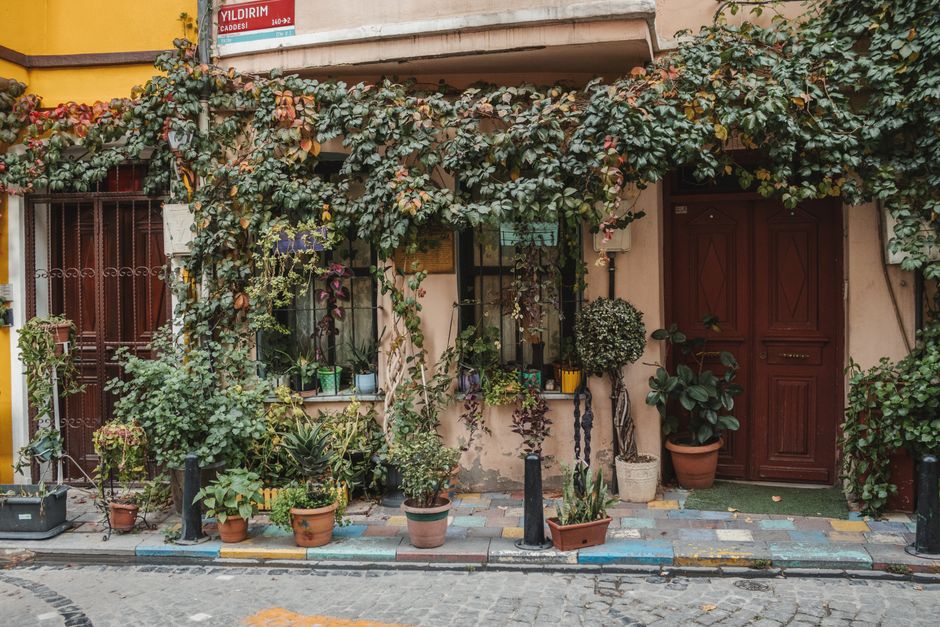
Your balcony is maybe 60 square feet. There is a plastic table, two chairs, and the vague memory of a dead basil plant from a few years back. You want fresh herbs, but you are not giving up your only outdoor seating to do it. That is exactly the problem a vertical herb garden solves — if you build it right.
Why Most Balcony Herb Setups Fail Before Summer Ends
The failure is almost never about which herb you chose. It is almost always a light problem, a soil problem, or both. Most people skip these two checks and then blame the system when plants die in six weeks.
The Light Calculation You Skipped
Most culinary herbs need 6 full hours of direct sun daily. Not ambient brightness. Not indirect light near a glass door. Direct sun — peak hours between 10 a.m. and 4 p.m.
Track your balcony wall’s actual sun exposure on a clear day before purchasing a single planter. A north-facing wall with 3 hours of dappled shade will never produce useful basil or thyme. Mint, chives, and parsley can manage with 4 hours. Everything else needs more, and they will not fake it.
This single check rules out an entire category of buyer regret. Do it first.
Soil That Looks Fine but Kills Roots in Six Weeks
Standard potting mix compacts inside vertical pockets. Water channels straight down — bottom tiers drown, top tiers dry out within days. It happens in nearly every pocket planter when soil goes in straight from the bag.
The mix that works: 60% quality potting mix, 30% perlite, 10% worm castings. This ratio stays aerated, drains evenly across tiers, and resists compaction under repeated watering. For a fully loaded 7-tier system, you need approximately 7 gallons of premixed soil — about $25 in materials total. Fill each pocket leaving one inch of headspace. Packed too tight and roots cannot establish.
Weight matters too. Wet soil in a large tower can hit 80 lbs. That number becomes critical the moment you start mounting things to walls.
Five Vertical Systems, From $30 to $130
These are real options with real specs, listed by cost — not by ranking. The right one depends entirely on your wall situation and budget.
- DIY cedar pallet garden — $0 to $30. Staple landscape fabric to the pallet back, fill the gaps with your soil mix, and lean it against a wall or fence. Produces roughly 12 to 18 herb pockets. Works on ground-floor patios or weight-rated decks. The cheapest entry point by a large margin — good for testing the concept before spending more.
- Lechuza Balconera Color railing planter — around $65 for the 50cm version. Clips directly to balcony railings. No drilling, no landlord negotiation needed. Built-in water reservoir holds 1.3 gallons and cuts watering frequency significantly. Pocket depth is 7.5 inches — fine for thyme, oregano, chives, and compact basil; too shallow for rosemary or larger root systems.
- Woolly Pocket Wally One — $38. A breathable felt wall pocket that mounts with two screws into a stud or masonry wall. Holds roughly 3 gallons of soil. The felt walls reduce root rot compared to plastic because the material breathes. Buy three or four and mount them in a grid — fully modular, expandable over time without replacing existing units.
- Mr. Stacky 5-Tier Strawberry and Herb Planter — $45. Stackable tower with a 13-inch base diameter and 15 total pockets across 5 tiers. A center watering tube runs top to bottom — pour at the top, gravity distributes moisture downward. Best suited to compact herbs: mint, thyme, chives, and parsley. Not deep enough for rosemary or large basil varieties at full growth.
- Greenstalk 7-Tier Vertical Planter — $130. The serious option. Twenty-eight pockets at 8-inch depth each. An internal water channel distributes moisture equally across all tiers — something most competing towers cannot claim. Twelve-inch base diameter. Fully loaded with wet soil, expect 60 to 80 lbs. Confirm your balcony’s load rating before ordering this one.
Leave at least 10 to 12 inches of horizontal clearance between any wall-mounted planter and adjacent railings or furniture. Crowded airflow leads to powdery mildew by mid-July, which spreads fast in close-packed pockets.
Herb-by-Herb Verdict for Vertical Growing
| Herb | Vertical-Friendly? | Min. Pocket Depth | Daily Sun Needed | Key Note |
|---|---|---|---|---|
| Basil (Genovese, Spicy Globe) | Yes | 6 in | 6–8 hrs | Compact varieties only; deadhead weekly |
| Mint | Yes — isolated only | 5 in | 4–6 hrs | Colonizes adjacent pockets; keep separate |
| Thyme | Yes | 5 in | 6 hrs | Thrives in drier top pockets; drought-tolerant |
| Chives | Yes | 4 in | 4–5 hrs | One of few herbs that tolerates partial shade |
| Parsley | Yes | 6 in | 4–6 hrs | Slow to establish — allow 8 weeks before judging |
| Cilantro | Marginal | 6 in | 5–6 hrs | Bolts in summer heat; plant in spring or early fall |
| Rosemary | No | 10+ in | 8 hrs | Deep taproot needs a standalone 2-gallon pot |
| Oregano | Yes | 5 in | 6 hrs | Spreads wide; trim back every two weeks |
Rosemary is the most common mistake. It looks like it should fit — compact growth, thin leaves, small profile. But the root structure demands real depth and volume that pocket planters cannot provide. Put it in a standalone terracotta pot on the balcony floor and let the vertical system handle everything else.
Mint is the second most common mistake — for the opposite reason. It fits perfectly in a pocket but colonizes adjacent soil and chokes neighboring herbs within one full season. Isolate it completely, or grow it in its own dedicated container entirely separate from the main system.
The Actual Build: Watering, Mounting, and the First Eight Weeks
Three variables decide whether this works long-term. Get all three right and the setup runs mostly on its own through a growing season.
Watering — The Math That Saves Plants
Vertical planters dry out 30 to 40 percent faster than ground containers. They are exposed on multiple sides, and evaporation is constant. In July and August heat, daily watering is a realistic expectation — and skipping one hot day can kill an entire tier of seedlings.
The simplest fix: a basic drip irrigation kit. The Raindrip R560DP Automatic Watering Kit runs about $55 and sets up in under an hour. Program it for 10 minutes at 6 a.m., run one emitter into the top of a tower or split lines across wall pockets, and you eliminate the most common cause of plant death entirely. For a 5-tier tower like the Mr. Stacky, one emitter at the top of the center tube distributes to all levels automatically.
If you hand-water, slow down. Pour at the top of each tier, wait 20 to 30 seconds for absorption, then move to the next. Fast pouring channels straight through without absorbing into the soil — you waste water and the roots stay dry.
Mounting: What Your Wall Can Actually Hold
Wall-mount planters need anchor points in studs or masonry, not bare drywall. A fully watered Woolly Pocket Wally holds 25 to 30 lbs. That is enough load to pull a standard toggle anchor out of a drywall seam over several weeks of vibration and moisture.
For masonry balcony walls — common in apartment construction — use M6 masonry screws with a 6mm hammer drill bit. Two anchor points per planter, minimum. For renters with no drill access, the Lechuza Balconera railing clip system is the cleanest answer: no wall contact required, rated for the load, and removable without leaving marks.
The First Eight Weeks: What Normal Looks Like
Do not judge the setup in week two. Transplant shock is real — herbs dropped into new pocket soil look rough for two to three weeks while roots adjust. Keep watering on schedule, remove yellowed leaves, and skip fertilizer entirely for the first month. Confined pockets cannot handle fertilizer stress before root systems establish. After week eight, if growth has not resumed, then investigate light and drainage — not the planter itself.
When You Should Skip This Entirely
North-facing balcony with under 4 hours of direct sun? Do not build a vertical herb garden. You will spend $80 to $130 on a system and watch everything slowly yellow and fail over six weeks. A small LED grow light setup on an indoor windowsill will outperform any balcony vertical garden under those light conditions, with far less frustration and wasted money.
Same call if your building prohibits wall modifications and your railing design will not accept clip-on planters. Forcing the setup into a hostile situation produces dead plants, not fresh herbs.
But if your balcony gets 5 or more hours of direct sun and you have either a wall or a railing to work with, that 60-square-foot space with the plastic table and two chairs is more than enough. Mount a tower in one corner, add wall pockets above the table — 30 or more herbs producing, zero floor space sacrificed. The dead basil from three years ago can stay in the past.