

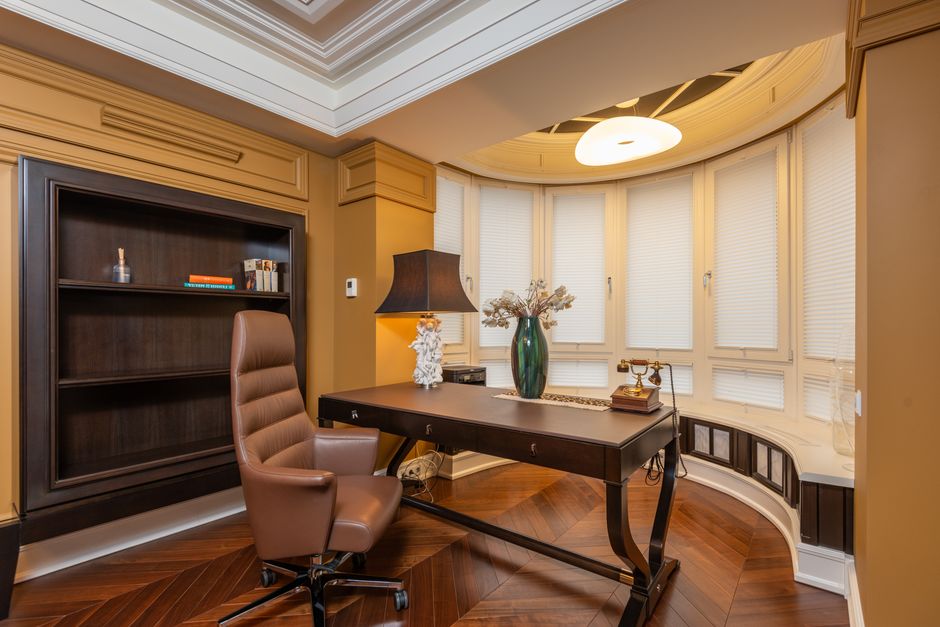
The misconception worth addressing first: a floor lamp’s primary job is to light a room. It isn’t. A pendant or recessed fixture handles ambient light more efficiently. What a floor lamp does — when chosen well — is occupy space with intention. It defines a corner, anchors a reading zone, or breaks up the monotony of furniture sitting at the same height. Chosen poorly, it fades into the background and does neither job well.
This covers seven lamps that earn their place visually, not just electrically. Each represents a genuinely distinct design approach rather than a variation on the same neutral cylinder.
What Separates a Character Lamp from a Filler Lamp
Most floor lamps fail the same way: they’re designed to disappear. Neutral finish, predictable shade, no structural tension. The result is a lamp that occupies floor space without contributing anything to the room’s visual logic.
A lamp earns character through at least one of three qualities. First, silhouette strength — the lamp reads clearly from across the room, even when off. The Flos Arco’s 95-inch steel arm sweeping from a marble base is visible from any angle. The Serge Mouille Three-Arm Floor lamp ($3,500+) casts shadows like a piece of kinetic art during the day. Second, light quality that does something unusual — the Noguchi Akari UF4-L3 ($195–$320) diffuses through Japanese washi paper, producing a warm amber glow that no LED panel replicates. Third, material that reads as deliberate — the Tom Dixon Beat Floor ($650) is hand-spun steel, each unit slightly different from the next. That variation signals craft rather than factory production.
A lamp missing all three typically belongs in the functional-but-forgettable category. Plenty of those exist, and they sell well. They’re just not what this covers.
The silhouette test
Walk to the doorway of the room. Turn off the lamp. Can you still locate it by shape? If yes — because of the arc, the cage shade, the paper lantern form — it has silhouette strength. If it vanishes into the background, it belongs in a different conversation about task lighting, not interior character.
Why base weight matters more than most buyers expect
An arc lamp with a lightweight base will tip. The Flos Arco uses a solid marble slab because the 95-inch arm extends far enough that without serious counterweight, the physics don’t work. Cheaper arc lamp copies often use sand-filled metal bases that shift over time. A falling arc lamp with a glass shade is not a minor inconvenience — it’s a genuine hazard that cheaper construction introduces.
The 7 Lamps: Specs and Honest Assessment
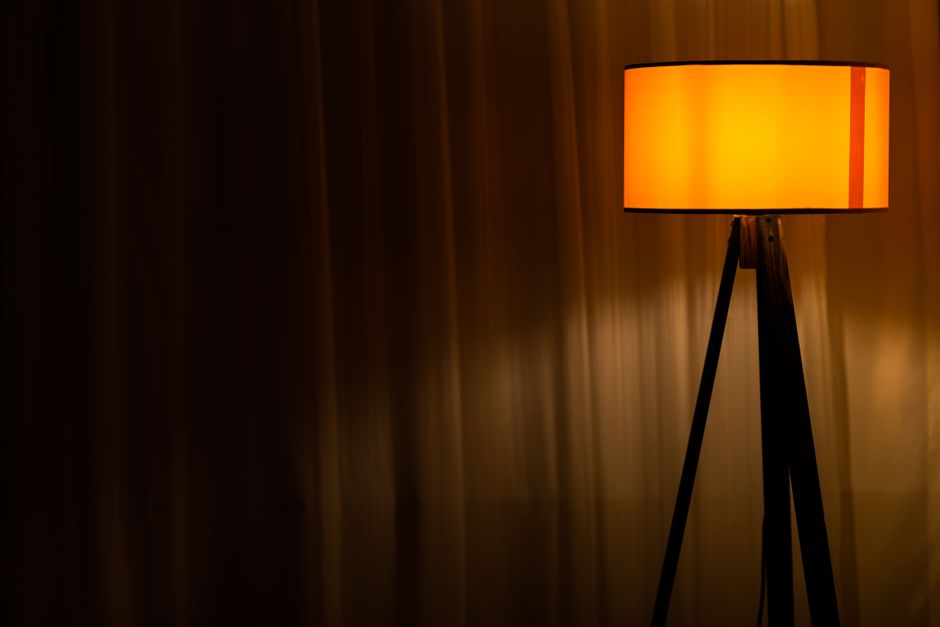
The table below reflects 2026 pricing from major retailers. Authorized replicas of heritage designs — Arco, Akari, Mouille — exist at lower price points but vary significantly in build quality. That variation is addressed in the materials section further down.
| Lamp | Style | Key Material | Price Range | Best Room Type |
|---|---|---|---|---|
| Flos Arco | Arc | Marble + polished steel | $2,200–$2,700 | Living room, open plan |
| Noguchi Akari UF4-L3 | Paper lantern | Washi paper + bamboo | $195–$320 | Bedroom, meditation space |
| Artemide Tolomeo Mega Floor | Articulated task | Polished aluminum | $800–$950 | Home office, reading corner |
| Jonathan Adler Meurice Floor | Geometric cage | Brass + white shade | $600–$900 | Eclectic or glam living room |
| Serge Mouille Three-Arm Floor | Multi-arm sculptural | Powder-coated steel | $3,200–$4,000 | Gallery-style or loft space |
| Tom Dixon Beat Floor | Bell shade on stand | Hand-spun brass or steel | $600–$700 | Industrial or transitional |
| IKEA KNIXHULT | Lantern | Bamboo | $65–$80 | Scandinavian or natural interiors |
The IKEA KNIXHULT stands out as the only entry under $100 with genuine design personality. The bamboo construction limits its durability in humid rooms, but in a dry interior with warm wood tones, it holds its own aesthetically against pieces at three times the price. Don’t underestimate it based on the retailer.
The Arc Lamp Problem
Arc lamps are the most copied silhouette in residential furniture. Walk through any furniture chain and you’ll find five variations in matte black, brushed gold, and satin nickel — all the same footprint, all structurally compromised versions of the Flos Arco. The shape alone isn’t enough. The Arco has been in continuous production since 1962 because the execution matches the silhouette. Most $150 copies don’t reach that threshold, and the room knows it. If you want an arc lamp for character, buy the original or choose a different style entirely.
Matching Lamp to Room: Three Scenarios
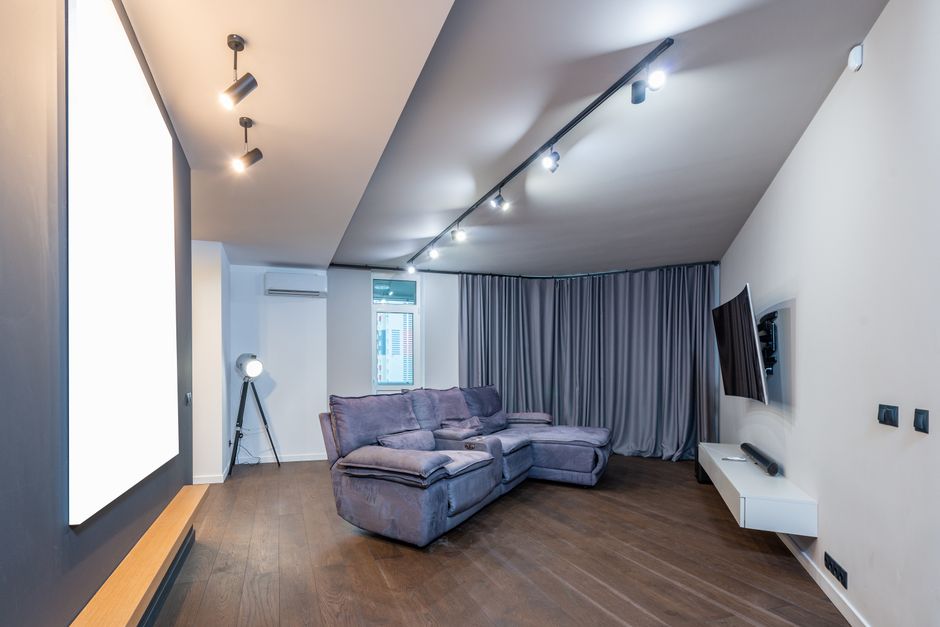
What lamp works in a minimalist room with white walls and light wood floors?
The Artemide Tolomeo Mega Floor. Its aluminum arm adjusts to six positions and reads as intentional in a spare room — precise and material-honest rather than cold. The Noguchi Akari is the warmer alternative: if the room has light oak and linen, the paper lantern adds texture without competing for attention. Avoid the Jonathan Adler Meurice in rooms this restrained; the brass ornament reads as loud without complementary detail elsewhere to absorb it.
What lamp works in a room with heavy furniture and dark upholstery?
The Tom Dixon Beat Floor in unlacquered brass. Hand-spun brass reflects ambient light upward and outward, which lifts a heavy room without fighting its tone. The Serge Mouille Three-Arm in matte black is a strong second — it adds visual complexity through the multi-arm form without introducing competing color. The Akari would likely disappear in this context; washi paper doesn’t assert itself against dark velvet or leather.
What lamp works in an eclectic or maximalist room?
The Jonathan Adler Meurice Floor. The brass cage shade is ornate enough to read as intentional in a busy room, and the white interior shade keeps light diffused rather than harsh. In a space already full of pattern and texture, a lamp that competes on surface detail rather than bold silhouette generally lands better than a sweeping arc form. The Meurice is designed for exactly this kind of room — it doesn’t need space to breathe, it needs company.
Materials: What Holds Up and What Doesn’t
- Polished or brushed steel (Flos Arco, Artemide Tolomeo): Extremely durable. Minor scratches develop a patina rather than exposing bare substrate. Best choice for longevity in a high-traffic room. The Arco’s steel arm has no realistic failure point under normal residential use.
- Brass (Tom Dixon Beat, Jonathan Adler Meurice): Will develop a natural patina unless lacquered. Unlacquered brass darkens pleasantly over years; lacquered brass stays bright but can chip at edges. Know which version you’re buying — Tom Dixon typically sells unlacquered, which most buyers prefer after the first year.
- Washi paper (Noguchi Akari): Fragile. Not appropriate for rooms with children, pets, or significant airflow. The paper will dent, tear, and discolor with humidity over time. Replacement shades cost roughly $30–$60 and are widely available — treat it as a five-year maintenance item, not a manufacturing defect.
- Bamboo (IKEA KNIXHULT): Avoid in bathrooms or any room with moisture exposure. Bamboo swells and can crack in high-humidity conditions. In a dry interior, it’s stable for a decade or more.
- Powder-coated steel (Serge Mouille): The coating resists chipping under normal use. At this price point, the durability is expected — and generally delivered. The Mouille’s finish is specified to a higher standard than mass-market powder coating.
When a Statement Lamp Works Against the Room
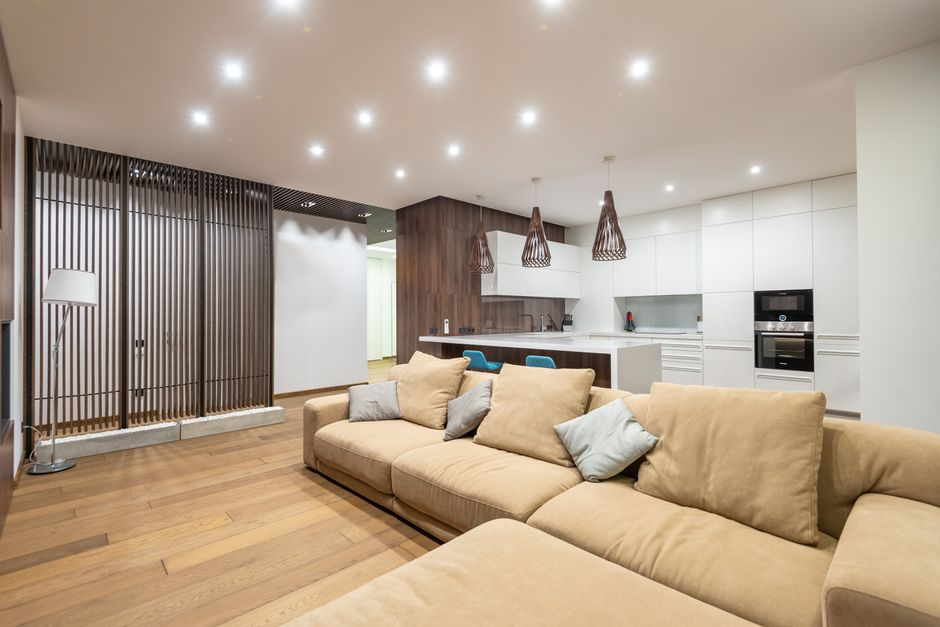
The room is already visually crowded. An arc lamp in a space with a gallery wall, patterned rug, and mixed-metal hardware creates competition, not composition. In rooms with four or more strong visual statements already in place, adding a character lamp typically produces confusion rather than presence. The lamp needs something to anchor it, not fight it.
Ceiling height is below 8 feet. The Flos Arco arm peaks at roughly 8 feet at its apex — in a room with exactly 8-foot ceilings, clearance becomes marginal and the effect reads as cramped rather than dramatic. Multi-arm lamps like the Mouille have the same problem: the arms need vertical room to register as sculptural rather than confined.
The budget doesn’t reach the style’s minimum viable version. Some lamp styles only work at a quality threshold that budget versions don’t reach. A $120 washi paper lantern from a mass-market retailer typically uses inferior paper that yellows within 18 months and lacks the structural elegance of a genuine Akari. If the Noguchi’s $195 entry price isn’t realistic, a different lamp style will serve better than a degraded imitation of the same concept. This applies to arc lamps too — the silhouette implies quality the cheap version doesn’t deliver.
The Verdict by Room Type
For a living room that needs one anchor piece: the Flos Arco, if the budget allows. Nothing else in this price range commands space the same way, and it improves with age. If $2,500 is out of reach, the Tom Dixon Beat Floor at $650 offers the closest ratio of design integrity to accessible cost.
For a bedroom: the Noguchi Akari UF4-L3, without much debate. The light quality is genuinely different from anything else on this list — warmer, more diffused, calming in a way that LED-forward lamps aren’t. Replace the shade when it yellows rather than replacing the lamp.
For a home office or dedicated reading corner: the Artemide Tolomeo Mega Floor. Six arm positions, precise directional control, and a design that reads well in both professional and residential settings. It’s the only lamp on this list built specifically around task performance rather than visual effect — which is exactly what a reading corner needs.
For a tight budget with an eye for natural material: the IKEA KNIXHULT at $70. Not because it competes with the others on quality, but because within its category — natural material, lantern form, warm diffused light in a dry room — it does the job cleanly and without pretense.