

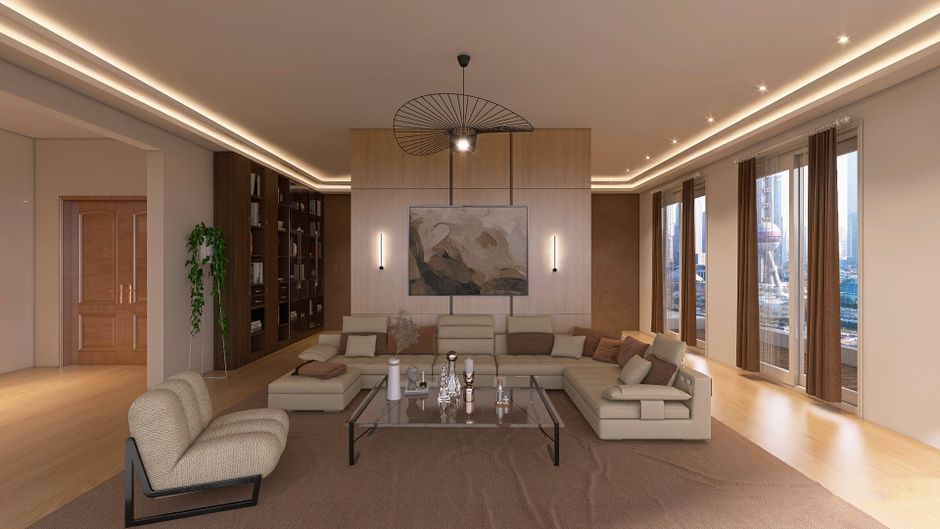
The average one-bedroom apartment in the US sits at around 750 square feet. Most sectional sofas in furniture showrooms run longer than 110 inches on their long side. That math doesn’t work — unless you’re shopping modular.
Modular sectionals split into individual pieces you can rearrange, shrink, or expand as your space demands. The problem is the word “modular” gets applied to everything now, from genuinely reconfigurable seating to glorified two-piece sets you can’t actually customize. This guide cuts through that noise and names real products with real dimensions.
Why a Modular Sectional Beats a Fixed Sofa in a Small Apartment
A fixed three-seat sofa with a chaise is a commitment. Once it’s in your apartment, it dictates how every other piece of furniture lives. Move to a new place with a different layout and that sofa might not fit through the door, let alone work in the room.
Modular sectionals solve this at the unit level. Each seat is a standalone piece — typically 28 to 36 inches wide — that ships separately and connects via brackets, hooks, or simply sits flush against the next piece. You can buy three seats for a 90-inch configuration today and add a chaise later when you have more floor space. Remove a corner piece when your roommate moves in and reclaims half the living room. This flexibility is the core value proposition, not just style.
The delivery day advantage nobody mentions
Getting a large sectional into an apartment with a tight stairwell or a 32-inch doorway is a nightmare most buyers don’t think about until the truck arrives. A modular sectional in separate 30-inch-wide pieces walks through any standard door without disassembly. That alone saves you the $150–300 white-glove delivery fee that furniture retailers charge when standard delivery fails.
What “modular” actually means — and when it doesn’t
A true modular sectional lets you buy additional pieces from the same product line after your initial purchase. The IKEA SÖDERHAMN does this: you can buy a two-seat section, a one-seat section, and a corner unit separately, in any order, and they connect cleanly. Contrast that with a two-piece sectional from a big-box store — technically two pieces, but they come as a fixed set and you can’t add or subtract without buying a completely new sofa. Check the product page for language like “sold by the piece” or “add-on units available.” If the listing only shows one fixed configuration, it isn’t truly modular.
How to Measure Your Apartment Before Looking at Any Product

Skip this step and you’ll return the sofa. It happens constantly. Here’s the right process:
- Measure the room’s usable wall length. Not the total wall — subtract the width of any doorways, windows within 18 inches of the floor, or radiators. This is your maximum sofa length.
- Mark your floor with painter’s tape. Lay out the exact footprint of the sectional you’re considering before you order. Sit in the taped zone. Does the room still feel livable? Can you walk around it comfortably?
- Measure your doorway and every hallway turn. Write down the narrowest width in the path from front door to the sofa’s final position. Any piece wider than this won’t make it in.
- Check seat depth. Budget sectionals often run 35–38 inches deep. In a room only 12 feet wide, a 38-inch sofa eats nearly a third of your walking space before you add a coffee table.
- Calculate clearance around the chaise. If the configuration includes a chaise, confirm you have at least 42 inches of clear walking space between the end of the chaise and the nearest wall or furniture piece. Most people underestimate this by 12 inches and spend months tripping over the corner.
The sweet spot for small apartments: sectionals with a total footprint under 95 inches × 65 inches. That fits comfortably in a 10×12-foot living space without crowding the room or blocking natural traffic paths.
Best Budget Modular Sectionals Under $900: Real Specs Side by Side
These are real products with verified configurations for small-space use. Prices reflect 2026 baseline configurations.
| Product | Price | Dimensions (L × D) | True Modular? | Best For |
|---|---|---|---|---|
| IKEA SÖDERHAMN 3-seat + chaise | ~$780 | 110″ × 63″ | Yes — pieces sold separately | Renters who move often |
| IKEA FRIHETEN sleeper sectional | $649 | 90″ × 57″ | No — fixed 2-piece | Studios needing a guest bed |
| Wayfair Dunleith Reversible Sectional | ~$560 | 99″ × 57″ | Partial — reversible chaise | Renters unsure which wall to use |
| Zinus Ricardo Modular Sectional | ~$420 | 88″ × 58″ | Partial — 3-piece fixed set | Tight budgets, first apartment |
| Albany Park Kova (3-seat config) | ~$895 | 92″ × 60″ | Yes — pieces sold individually | Longer-term renters wanting durability |
The IKEA SÖDERHAMN is the strongest value for genuine modularity. Start with a two-seat section at around $350 and add pieces as your budget allows. The Albany Park Kova costs more upfront but ships in individually fabric-wrapped pieces, survives multiple moves far better, and holds its shape longer than flat-pack foam alternatives. The Zinus Ricardo is acceptable for a first apartment on a strict budget — just know the foam compresses noticeably within 18 months of daily use.
Hidden Costs That Blow Your Budget
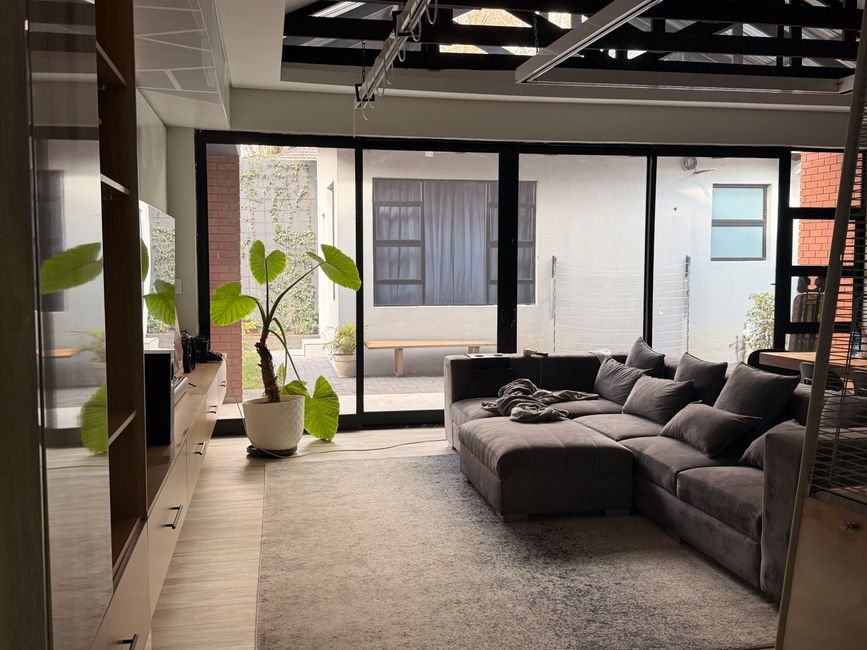
Assembly fees ($80–150), delivery surcharges for upper floors without elevators ($50–100), and return shipping on rejected pieces ($75–200) can add $300 to a $500 sofa purchase. A $560 Wayfair sectional with a $150 delivery surcharge and $90 assembly fee costs $800 delivered and built. Factor the total landed cost before you decide what’s affordable — not just the sticker price.
Configuration Shapes the Room More Than the Sofa Itself
Pick the wrong configuration and even the right sofa kills the room. Most apartment buyers optimize for sofa comfort rather than room flow. That’s the wrong priority. Get the configuration right first, then pick your fabric.
L-shape vs. U-shape in a small room
A U-shape requires at least 11 feet of clear floor space across its open end. In a standard apartment living room (10–13 feet wide), that leaves almost no room to walk or place a coffee table. Avoid U-shapes in rooms under 13×15 feet entirely. An L-shape with one short arm — under 60 inches — works far better. It defines a seating zone without eating the room, and it leaves a clear sightline to the entry.
The chaise problem in narrow rooms
Chaise lounges are the most common size miscalculation in small apartments. They add 30–36 inches to the sofa’s footprint and stick out perpendicular into the room. In a narrow living space, a chaise routinely ends up pointing directly into a walkway. Before adding a chaise to any configuration, verify you have that 42-inch walking clearance from the chaise end to the nearest wall. If you don’t, drop the chaise and buy a separate ottoman instead — you get similar lounging utility with zero footprint commitment.
When a Sectional Is the Wrong Choice for Your Apartment
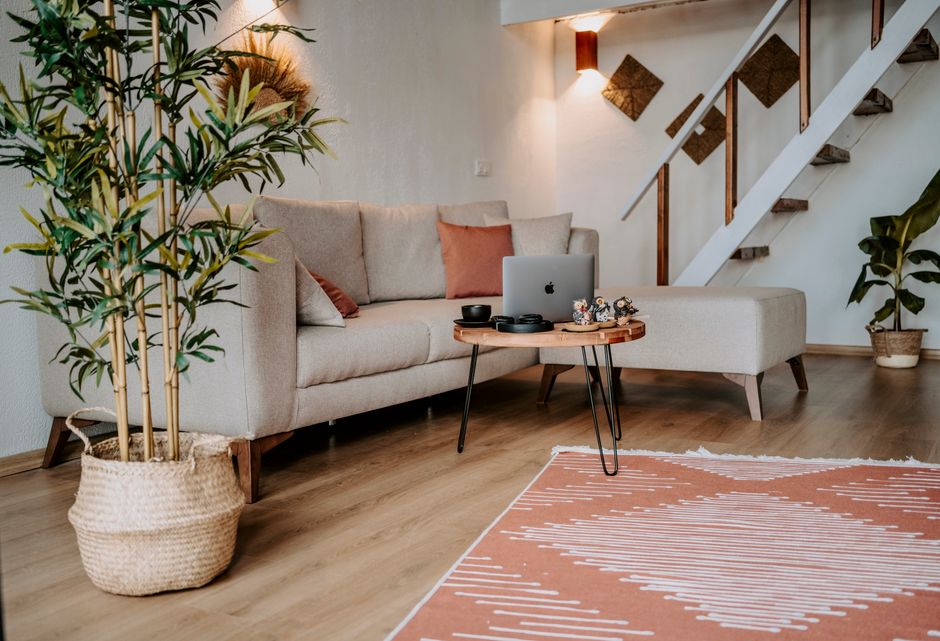
Sectionals are not always the answer. Three situations where a standard sofa serves you better:
- Your living room is under 120 square feet. Even a small modular sectional will make a room this size feel overstuffed. A 72-inch two-seat sofa leaves breathing room that a sectional won’t. The West Elm Andes 2-Seat (~$900) or the Article Sven Sofa (~$1,099) work better in genuinely tiny rooms and still offer a quality aesthetic.
- You have an open floor plan and need sightlines. Sectionals create visual walls. In a studio or open-plan space, a sofa with a clear line of sight to the kitchen or entry keeps the space feeling open rather than divided.
- You move every 12 months. Even modular sectionals require careful disassembly, labeling, and re-stacking. If you’re on a one-year lease cycle, a single mid-size sofa is easier to move and fits almost any layout you’ll encounter. The math on moving costs alone justifies the simpler option.
If your apartment has an awkward corner, an oddly placed window, or a doorway that opens directly into the living area, a standard sofa paired with a separate accent chair usually solves layout problems that a sectional only complicates.
Questions Worth Answering Before You Order
Can you add pieces later from the same line?
For the IKEA SÖDERHAMN and Albany Park Kova: yes, explicitly and reliably. For most Wayfair and Amazon modular sets: generally no. Those product lines change seasonally and matching pieces disappear from inventory within a year. If future expansion matters to you, stick with brands that treat modularity as a core feature — not a product description checkbox to boost search rankings.
Which fabric holds up in a high-traffic small space?
Velvet looks good in photos but collects every crumb and pet hair. In a small apartment where the sofa doubles as a desk chair, dining chair, and movie theater seat, go with a tightly woven performance fabric. Look for anything labeled “stain-resistant” or with a 100,000+ rub count on the spec sheet. The SÖDERHAMN’s Kelinge and Tallmyra covers hold up far better than the velvet options at the same price point. The Albany Park Kova’s performance weave options also outlast their standard linen alternatives significantly.
Does modular mean harder to move?
The opposite. Modular sectionals break into pieces that one person can carry through a doorway. A fixed three-seat sofa typically requires two movers, a truck with a ramp, and considerable patience. For anyone furnishing a first apartment with a likely move within two years, modular is the smarter logistical choice even if you never once rearrange the configuration after setting it up.
That 750-square-foot one-bedroom started this as a constraint. With the right configuration — a SÖDERHAMN L-shape sitting under 95 inches, or a Kova three-seat at 92 inches — it becomes a room that actually functions. The math holds up. The sofa fits. And when the next lease ends and the next apartment has a completely different layout, the pieces move with you.