

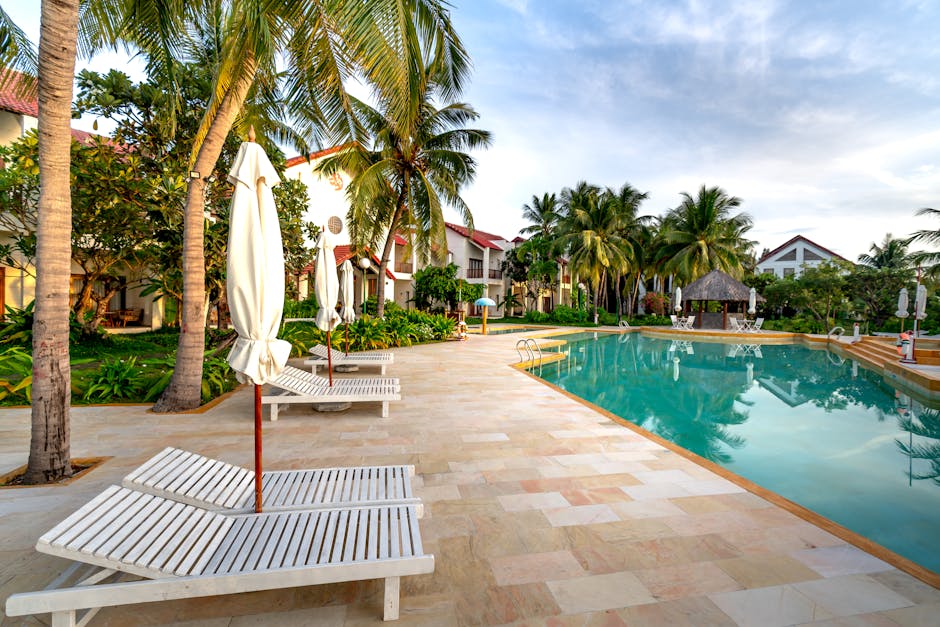
There is a nagging misconception that booking a vacation package means resigning yourself to a cookie-cutter hotel room with beige walls, scratchy polyester sheets, and a generic landscape print bolted to the wall. For those of us who spend our weekends scrolling through architectural digests and agonizing over the perfect shade of eggshell for the hallway, that thought is enough to make us stay home. We assume that ‘package’ equals ‘mass-market,’ and therefore, ‘devoid of soul.’ I used to think the same thing. I figured if I wanted a stay that actually inspired my own home renovation projects, I had to spend weeks painstakingly piecing together separate flights, boutique rentals, and obscure local transfers.
I was wrong. The travel industry has pivoted hard toward the ‘design traveler.’ You can now find curated vacation packages that prioritize aesthetic integrity as much as they do convenience. Whether it is a mid-century modern retreat in the desert or a brutalist masterpiece on a Mediterranean cliff, the best vacation packages of 2025 are increasingly focused on the environment you inhabit during your downtime. This shift is a relief for anyone who views their surroundings as a primary component of their mental well-being while away. It is not just about the beach anymore; it is about the texture of the lime-wash walls in your suite and the ergonomics of the lounge chair by the pool.
How to find vacation packages with high-end interior design
Finding a package that satisfies a refined palette requires looking past the ‘top deals’ tab on major booking engines. Usually, those front-page results are optimized for price-sensitive travelers who do not care if their hotel looks like a 1990s office block. To find the gems, you need to use specific filters and keywords. I have found that searching for ‘Design Hotels’ or ‘Boutique Collections’ within larger platforms like Expedia or TUI often yields results that are curated for their architectural merit. These platforms have realized that a segment of their audience wants the security of a package deal without the aesthetic compromise.
Another strategy is to look for ‘flight + hotel’ bundles specifically for cities known for their design heritage. Instead of searching for ‘Spain,’ search for ‘Barcelona’ and filter for the Eixample district. This area is a goldmine for Modernista architecture and hotels that have preserved original 19th-century features while integrating contemporary Italian furniture. When you bundle these stays with a flight, the cost often drops by 15-20% compared to booking them separately. It is a myth that boutique hotels do not participate in these programs; they do it to ensure their occupancy rates remain stable during the shoulder seasons.
Pro tip: Always check the ‘Year Built’ or ‘Last Renovated’ filter. A hotel that was renovated in the last 24 months is far more likely to reflect current interior trends like organic textures, mixed metals, and smart home integration.
I also recommend looking at airline-specific vacation arms. British Airways Holidays or Virgin Holidays frequently partner with high-end hotel groups like the Hoxton or Soho House (in certain territories). These are not your grandmother’s all-inclusive resorts. They are spaces designed by world-class interior firms. By booking these as a package, you often get perks like late check-outs or room upgrades, which are essential when the room itself is the destination. You are essentially paying for a masterclass in interior styling while you sleep.
Comparing all-inclusive vs flight-and-hotel packages for aesthetics
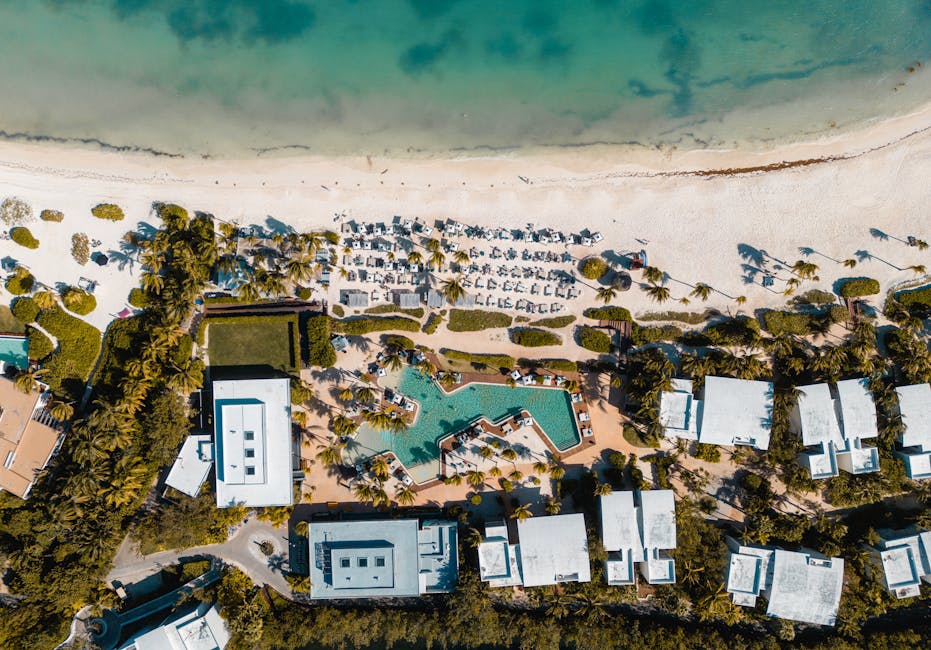
When we talk about the best vacation packages, we have to distinguish between the ‘All-Inclusive’ model and the ‘Flight + Hotel’ model. For a design lover, this choice is critical. All-inclusive resorts have historically been the enemies of good design, favoring durability and mass-seating over style. However, the new wave of ‘Luxury All-Inclusive’ brands is changing the narrative. Brands like Ikos or Secrets are investing heavily in ‘quiet luxury’ aesthetics—think neutral palettes, high-quality natural stone, and bespoke lighting fixtures.
The table below breaks down how these two package types usually compare when you are looking for a stay that inspires your home decor.
| Feature | Luxury All-Inclusive Package | Boutique Flight + Hotel Package |
|---|---|---|
| Interior Style | Cohesive, grand, often ‘Coastal Chic’ or ‘Minimalist Luxe’. | Eclectic, site-specific, often featuring local artisans. |
| Furniture Quality | Commercial grade but high-end (e.g., Kettal, Ethimo). | Often features iconic designer pieces (e.g., Vitra, Knoll). |
| Inspiration Level | Great for outdoor living and large-scale spatial flow. | Great for color palettes, art curation, and small-space ideas. |
| Typical Price (7 Nights) | $2,500 – $5,000 per person (includes F&B). | $1,500 – $3,500 per person (room only). |
| Flexibility | Low – you tend to stay on-property. | High – encouraged to explore local design districts. |
In my experience, if you want to come home with ideas for your backyard or patio, a luxury all-inclusive package in a place like Greece or Mexico is unbeatable. They excel at ‘indoor-outdoor’ transitions. You will see how they use oversized planters, pergolas, and integrated masonry seating to create zones. On the other hand, if you are looking for ideas for your living room or bedroom, a flight + hotel package to a design capital like Copenhagen or Milan is superior. You get to live inside a space that has been curated by someone who understands the nuances of lighting and textile layering.
Specific brands to watch for
If you are browsing packages, keep an eye out for the Proper Hotels group. Their interiors, often designed by Kelly Wearstler, are a maximalist’s dream. Booking a package to their Santa Monica or Austin locations is like walking into a living mood board. Another one is Edition Hotels. They are the masters of ‘warm minimalism.’ If you want to know how to make a white room feel cozy rather than clinical, a package deal to an Edition property in London or Tokyo will give you all the answers you need. These brands are frequently available through premium travel agents and high-end credit card booking portals.
Best international destinations for interior design inspiration in 2025
Where you go is just as important as how you book. Some destinations are currently punching way above their weight in terms of interior innovation. If you are looking for the best vacation packages for 2025, I’d suggest looking toward regions that are blending traditional craftsmanship with hyper-modern silhouettes. This is where the real ‘home’ inspiration happens—seeing how old-world materials like terracotta or lime plaster can look incredibly sleek in a contemporary context.
Palm Springs, USA: The Mid-Century Modern Mecca
Palm Springs remains the gold standard for anyone obsessed with 1950s and 60s design. Vacation packages here are plentiful, especially if you fly into LAX and drive, or fly directly into PSP. The hotels here, like the Parker Palm Springs (approx. $450/night), are legendary. Pro: Unrivaled access to mid-century architecture and vintage furniture shopping. Con: It gets incredibly hot in the summer, making outdoor architectural tours grueling.
Marrakech, Morocco: A Masterclass in Texture and Tile
Marrakech has undergone a design revolution. While the traditional riads are still stunning, new hotels are blending Moroccan artisanal skills with brutalist architecture. Look for packages that include stays at places like Berber Lodge or El Fenn. Pro: You will learn more about tile patterns and bold color usage in three days here than in three years of reading magazines. Con: The sensory overload can be exhausting for those who prefer a more muted, Scandi-style environment.
Mexico City, Mexico: The New Frontier of Contemporary Cool
CDMX is currently the most exciting place for interior design. The packages often focus on the Roma and Condesa neighborhoods. Stays at Boutique Hotel Casa Polanco (approx. $600/night) show how to use dark woods and local stone to create a moody, sophisticated atmosphere. Pro: Incredible value for money regarding the quality of design. Con: Navigating the city can be complex, so a package that includes airport transfers is highly recommended.
When I traveled to Mexico City last year, I spent half my time taking photos of the joinery and the way they integrated indoor trees into the living spaces. I came back and immediately repainted my study in a deep, smoky green inspired by a library I saw in Polanco. That is the value of a design-focused trip; it pays dividends in your own home for years after the tan has faded.
Financing luxury vacation packages with smart banking tools
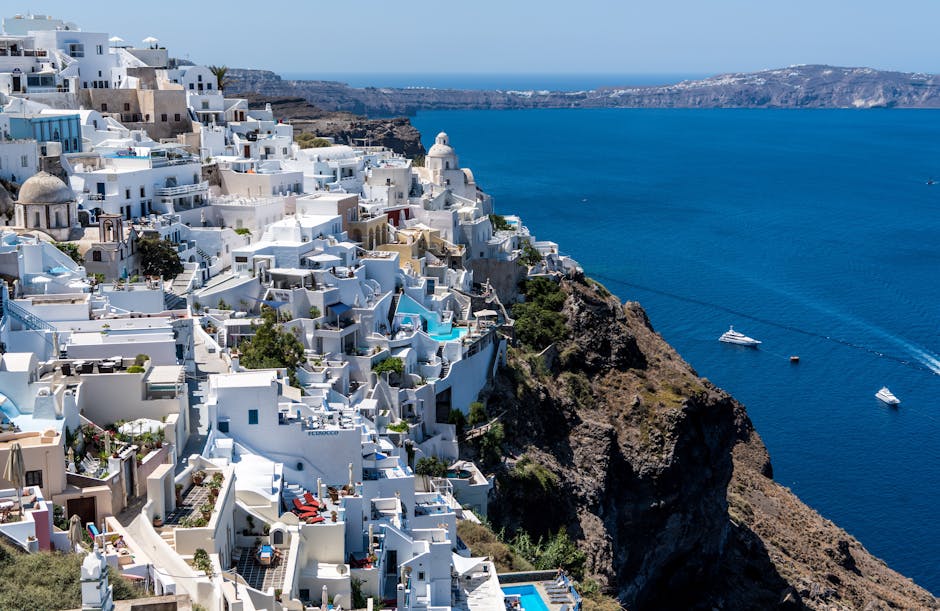
Let’s be real: design-led travel isn’t always cheap. Those hand-knotted rugs and designer light fittings in your hotel suite are reflected in the nightly rate. However, there are ways to manage the cost of the best vacation packages without draining your savings in one go. This is where being smart with financial products—many of which you can find through platforms like Awin—comes into play. I’ve learned that the ‘how’ of paying is just as important as the ‘how much.’
Many high-end travel providers now offer ‘Buy Now, Pay Later’ (BNPL) options or interest-free periods if you use specific credit cards. For example, using an American Express Platinum Card (often available with sign-up bonuses via finance affiliates) can give you access to the Fine Hotels + Resorts program. This isn’t just a booking tool; it’s a financial strategy. You get a $200 back credit on hotel stays, free breakfast (which can save you $60 a day), and guaranteed late check-out. When you add up those perks, a ‘luxury’ package often ends up costing the same as a mid-range one once you factor in the out-of-pocket expenses you would have otherwise incurred.
Using Balance Transfers and Travel Insurance
If you find a ‘limited time’ deal on a package that is too good to pass up but you don’t have the liquid cash today, a 0% interest purchase credit card can be a lifesaver. You can book the trip, secure the price, and pay it off over 12 to 18 months without a cent of interest. Just make sure you have a clear repayment plan. Also, never skip the travel insurance. I once had to cancel a trip to a design-heavy hotel in Japan due to a family emergency. Because I had a comprehensive policy through a provider like Aviva or AXA, I got 90% of my package cost back. Without it, I would have lost $4,000.
- Check for ‘Cashback’ offers: Before booking through a site like Expedia or Booking.com, check your banking app. Many banks (like Chase or Barclays) offer 5-10% cashback on travel portals.
- Protect your deposit: Ensure your package is ATOL or ABTA protected. This is the financial safety net that ensures you aren’t stranded if the travel company goes bust.
- Points hacking: If you are buying furniture for your home anyway, use a travel rewards card for those purchases. The points you earn on a new sofa could literally pay for the flight portion of your next vacation package.
By treating your travel budget like a home renovation budget—with spreadsheets, contingency funds, and strategic use of credit—you can afford a much higher level of design than you might think. I always look at it as an investment in my ‘creative capital.’ The ideas I bring back for my home are worth the interest-free monthly payments.
Essential retail gear for maintaining home comfort while traveling
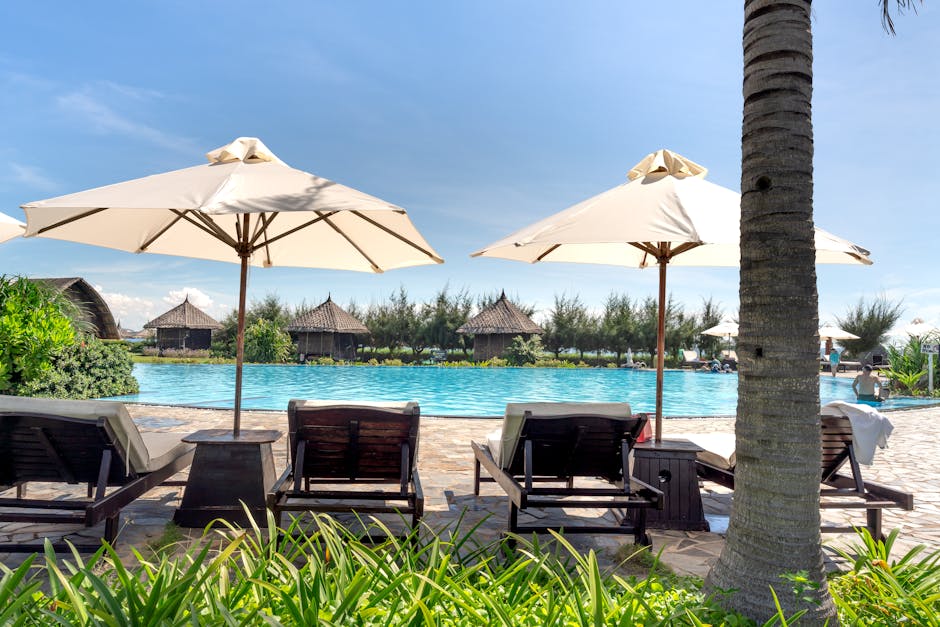
The biggest downside to even the best vacation packages is the ‘transit’ phase. Nothing kills a design-high like a cramped flight or a suitcase that falls apart on a cobblestone street. If you value the aesthetics of your home, you likely value the aesthetics and functionality of your gear. I have spent a lot of money testing different travel products, and I have realized that a few key retail investments can make a ‘package holiday’ feel like a private jet experience.
First, let’s talk about luggage. If you are heading to a high-design hotel, showing up with a battered, neon-blue polyester suitcase feels wrong. It’s like wearing flip-flops to a gala. I swear by Antler or Samsonite hardshell cases. Specifically, the Antler Clifton (approx. $200) is a favorite among the interior design crowd because of its minimalist matte finish and incredible durability. Pro: It looks like a piece of modern sculpture and wheels like a dream. Con: The matte finish can show scuffs if the baggage handlers are particularly rough, though a magic eraser usually fixes it.
Staying connected and comfortable
For the ‘telecom’ side of things, do not rely on the hotel Wi-Fi if you are trying to work or research local design spots. I always use an eSIM provider like Airalo or check if my home provider (like O2 or Vodafone) has a decent roaming bundle. There is nothing more frustrating than being in a beautiful Riad in Marrakech and not being able to upload a photo of the stunning tilework because the signal is dead. Being connected means you can look up the manufacturer of that beautiful lamp you just saw in the lobby in real-time.
Finally, consider your ‘in-flight’ environment. To maintain that sense of calm you get from a well-designed home, you need to control your sensory input. A pair of Sony WH-1000XM5 Noise Canceling Headphones (approx. $350) are non-negotiable. Pro: Best-in-class noise cancellation that turns a screaming airplane into a silent library. Con: They are bulky and take up a fair amount of space in your carry-on. But when you are trying to read a book on mid-century architecture at 35,000 feet, they are the best investment you will ever make.
In the end, the best vacation packages are the ones that treat you like an individual with specific tastes, rather than just another passenger. By choosing destinations with a strong design identity, using smart financial tools to book, and bringing a piece of your home-standard comfort with you via high-quality retail gear, you can turn a simple week away into a transformative experience for your personal style. Stop settling for beige. The world is too full of beautiful rooms to spend your vacation in a boring one.