

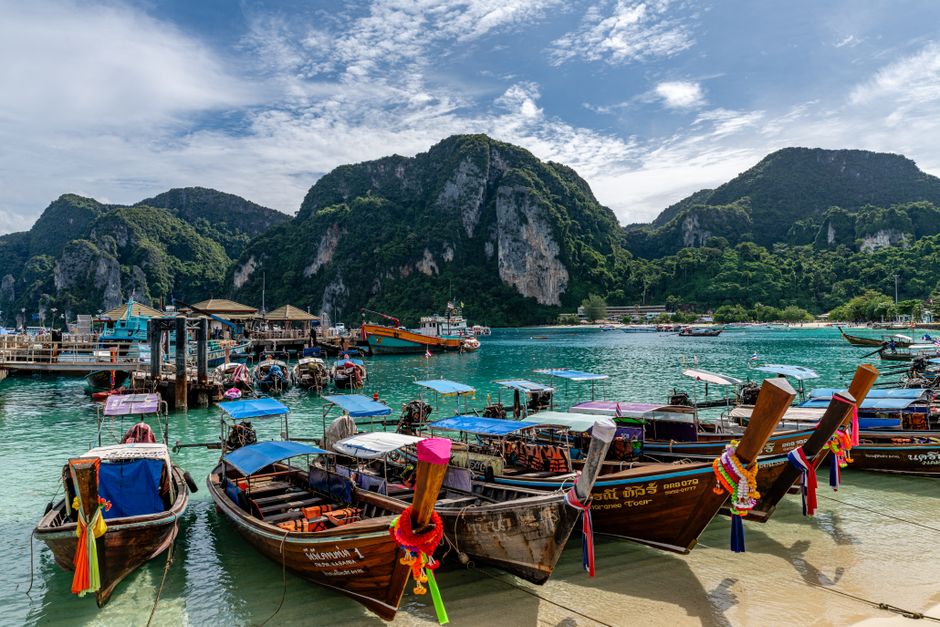
Thailand welcomed 28 million visitors in 2026. Roughly 4 million of them were first-time backpackers. And most of them made the same mistake: they tried to do too much. The average itinerary covers five destinations in two weeks. The average backpacker spends half their trip on buses and ferries, not exploring. This guide fixes that.
Why Most First-Timers Waste Time and Money on Transportation
The classic mistake is thinking you can hit Bangkok, Chiang Mai, Pai, Koh Samui, Koh Phangan, Koh Tao, and Krabi in 14 days. You can’t. Not without spending 30% of your budget on overnight buses and speedboats.
Thailand’s geography works against you. The north (Chiang Mai, Pai) is a 12-hour train ride from the southern islands (Koh Samui, Koh Phi Phi). That’s a full day lost each way. For a two-week trip, you pick one region, not both.
The real cost of over-planning isn’t just time. A bus from Chiang Mai to Surat Thani costs $20–$30 and takes 12 hours. A flight costs $50–$80. Then you need a ferry to the island, another $15–$25. By the time you arrive, you’ve spent a day and $80 to move 800 km. That money could have bought five nights of accommodation in Chiang Mai.
The 14-Day Route That Balances City, Nature, and Beach Time
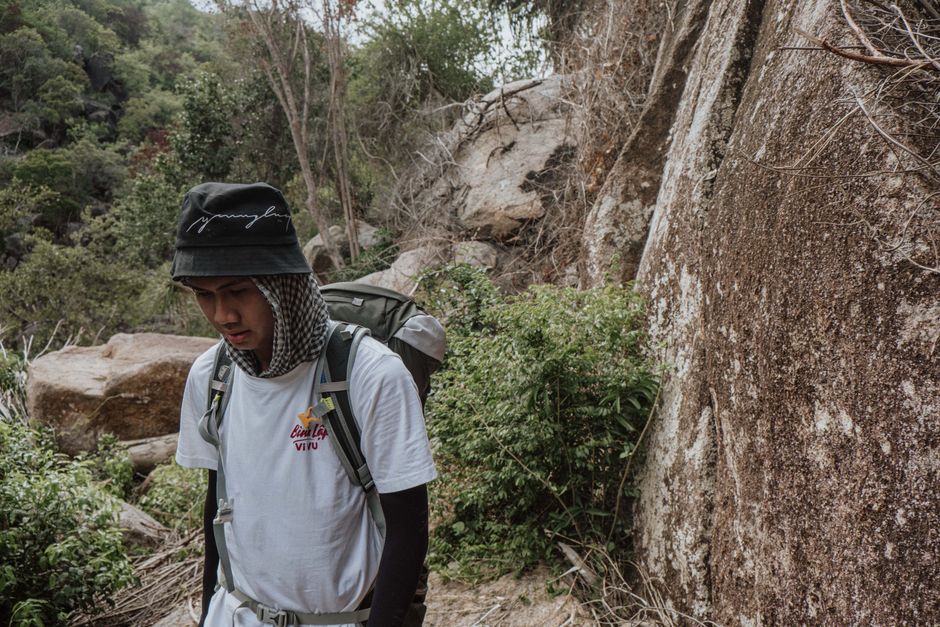
This route keeps travel days under 4 hours each. No overnight buses. No rushed transfers.
| Day | Location | Activity | Accommodation Cost (avg) |
|---|---|---|---|
| 1–3 | Bangkok | Grand Palace, Khao San Road, Chinatown food tour | $10–$20/night |
| 4–6 | Chiang Mai | Old City temples, night bazaar, cooking class | $8–$15/night |
| 7–9 | Pai | Motorbike loop, Pai Canyon, hot springs | $6–$12/night |
| 10–11 | Koh Phi Phi | Maya Bay, snorkeling, viewpoint hike | $12–$25/night |
| 12–14 | Railay Beach | Rock climbing, lagoon hike, sunset at Phra Nang Cave | $10–$20/night |
Why this route works: Bangkok to Chiang Mai is a 1-hour flight ($30–$50 with AirAsia or Nok Air). Chiang Mai to Pai is a 3-hour minivan ($10). Pai back to Chiang Mai is another 3 hours. Then fly Chiang Mai to Krabi (1.5 hours, $40–$60). Ferry to Koh Phi Phi (2 hours, $15). Ferry from Phi Phi to Railay (1 hour, $10). The longest single transfer is 3 hours. You arrive fresh, not exhausted.
How to Budget for 14 Days Without Running Out of Cash
Thailand is cheap compared to Europe or the US, but prices have crept up. In 2026, a realistic daily budget for a backpacker is $35–$50 per day. That includes a private room in a guesthouse, three meals from street stalls, local transport, and one paid activity (temple entry, cooking class, snorkeling trip).
The breakdown:
- Accommodation: $10–$20/night for a fan room with private bathroom. Hostel dorms run $5–$10.
- Food: $1–$2 for pad thai or a curry from a street stall. $3–$5 for a sit-down restaurant meal. Fresh fruit smoothies are $1.
- Transport: Songthaews (red trucks) in Chiang Mai cost $1 per ride. Tuk-tuks in Bangkok start at $3. Grab (Southeast Asia’s Uber) is $2–$5 for short trips.
- Activities: Temple entry fees are $1–$3. A full-day snorkeling trip from Koh Phi Phi costs $25–$35. A Thai cooking class in Chiang Mai runs $20–$30.
The hidden cost most people miss: laundry. You’ll hand-wash in sinks or pay $2–$3 per kilo at a laundry shop. Budget for this. Also, 7-Eleven is your best friend. They sell water ($0.30), snacks, phone SIM cards, and even basic toiletries. Use them instead of overpriced tourist shops.
What to Pack and What to Leave at Home
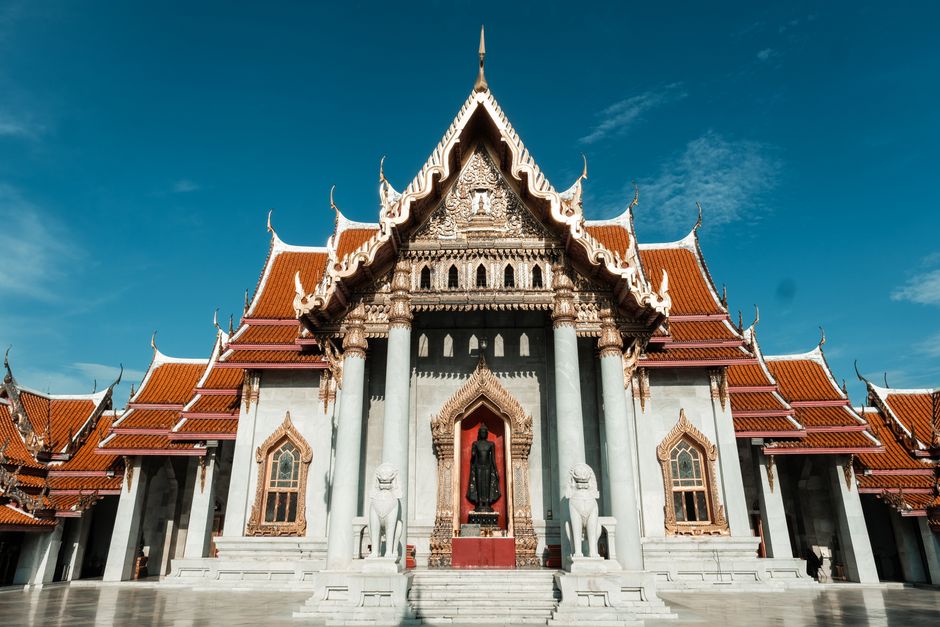
Pack light. Seriously. You will buy things there. You will throw things away. A 40-liter backpack is enough. Here’s what actually matters.
The non-negotiables:
- A padlock. Hostel lockers rarely have built-in locks. Bring your own.
- Earplugs and a sleep mask. Thai roosters crow at 4 AM. Street parties go until 2 AM.
- A dry bag. For islands, boat rides, and rainy season downpours. A 10-liter Sea to Summit dry bag costs $15.
- An eSIM or local SIM. AIS and TrueMove sell tourist SIMs at the airport. 15 days of unlimited data costs $10–$15. Don’t rely on airport Wi-Fi.
- Insect repellent with DEET. Mosquitoes in Thailand carry dengue. Buy a bottle of Off! at 7-Eleven for $2.
Leave at home:
- A towel. Guesthouses provide them. If you need one for the beach, buy a $3 sarong in Bangkok.
- A hairdryer. Too heavy. Hostels have them or your hair dries in 20 minutes in the humidity anyway.
- More than two pairs of shoes. One pair of sandals (Havaianas, $15) and one pair of lightweight sneakers (like the Adidas Ultraboost Light, $140) is plenty.
Three Mistakes That Ruin a Backpacking Trip to Thailand
1. Booking everything in advance. Thailand’s flexibility is its superpower. If you book all accommodation before you arrive, you can’t extend your stay in a place you love or skip a town that feels off. Book the first two nights, then figure it out. Hostels and guesthouses nearly always have same-day availability outside of Christmas and Songkran (April).
2. Trusting Google Maps for walking directions in Bangkok. Bangkok has a tangled web of soi (small streets), dead ends, and elevated walkways that don’t appear on maps. Use Google Maps for buses and trains, but for walking, ask a local or use the Grab app to call a motorbike taxi. A 10-minute ride costs $1–$2 and saves you 30 minutes of getting lost.
3. Not checking the monsoon calendar. The Gulf of Thailand (Koh Samui, Koh Phangan, Koh Tao) has rain from October to December. The Andaman Sea (Phuket, Koh Phi Phi, Krabi) has rain from May to October. If you show up on Koh Phi Phi in September, expect daily downpours and rough seas. Book your region based on the season. The route above works best from November to April.
When a Guided Tour Is Better Than Going Solo
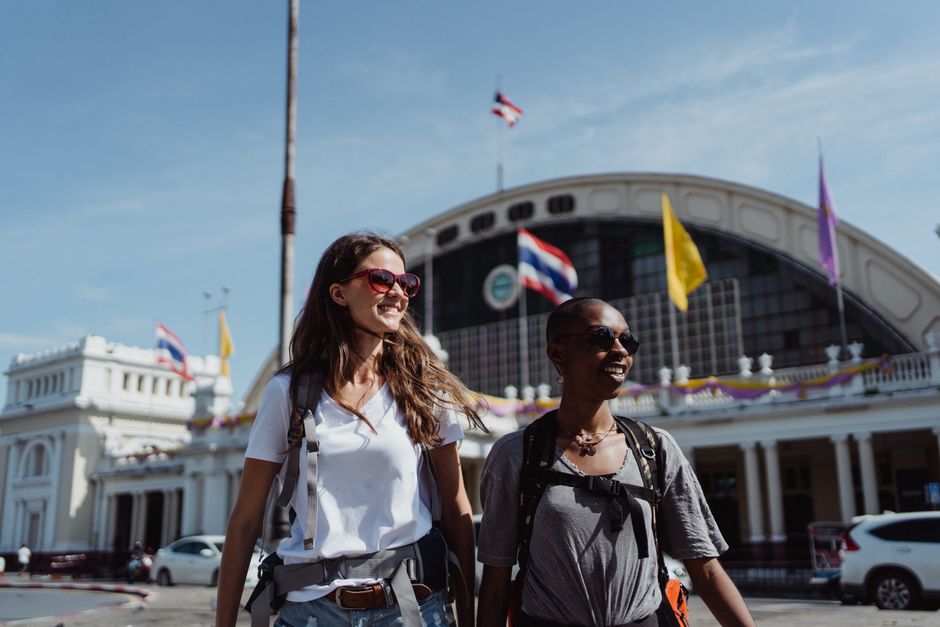
I usually recommend independent travel. But there are two situations where a tour saves you money and stress.
The overnight train to Chiang Mai. Booking a second-class sleeper train on the State Railway of Thailand website is a nightmare. The site crashes, the English interface is confusing, and tickets sell out weeks in advance. Instead, use 12Go.asia ($3 booking fee) or book through your hostel. A second-class sleeper with air conditioning costs $25–$35. It’s a 12-hour ride, you get a curtained bunk, and you save a night of accommodation.
The Pai motorbike loop. Renting a scooter in Pai costs $8–$12 per day. But the road has 762 curves in 80 km. First-time riders crash every day. If you’ve never ridden a motorbike, join a guided day tour ($30–$40) instead. You ride as a passenger on the back of a guide’s bike. You see the same waterfalls, viewpoints, and hot springs without the hospital visit.
How to Stay Safe Without Being Paranoid
Thailand is safe. Violent crime against tourists is rare. But petty theft and scams are common. Here’s what to watch for.
The gem scam. A friendly local tells you a temple is closed for a holiday, then offers to take you to a gem store instead. The gems are fake. Walk away. This happens most often near the Grand Palace in Bangkok.
The jet ski scam. On beaches like Patong and Koh Samui, jet ski rental operators claim you damaged the jet ski and demand $500 cash for repairs. Take a video of the jet ski before you ride. Or avoid jet skis entirely — they’re loud, pollute the water, and the scam is too common to risk.
Drinking water. Tap water is not safe to drink. Buy bottled water at 7-Eleven. Ice in restaurants is safe — it’s made from filtered water at centralized plants. Street stall ice is also safe. Don’t let the ice scare you; it’s better than the tap water.
Keep your passport in your hostel safe. Carry a photocopy or a photo on your phone. The police rarely ask for it, but if they do, the photo is usually accepted.
The single most important takeaway: Pick two regions, not five — you’ll spend half the money and see twice as much.