

A February refresh does not mean buying a matching cushion-and-throw set. The fastest change usually comes from replacing one tired cover, washing what you already own, and moving color to the spot where you see it most.
Start with a February textile audit
Before shopping, empty the sofa, armchairs, and nearby basket. Put every cushion cover and throw where you can see the full collection. This prevents the most common mistake: buying a new color that repeats something you already own but never use.
Measure every cushion before choosing a cover
- Write down each cushion size in inches or centimeters. Common square sizes include 18 by 18 inches, 20 by 20 inches, and 22 by 22 inches.
- Measure the insert from seam to seam, not from the fullest point.
- Check the cover closure. A zip cover is easier to wash than an envelope cover, while a button closure can add texture but takes longer to remove.
- Record the fabric of the insert. Feather inserts usually fill corners better than flat polyester inserts.
A cover that is two inches too large often looks loose and sleepy. A cover that is one inch smaller can create a fuller shape, but only if the insert compresses easily. Buy the correct size first; changing the size is not a styling trick.
Sort by condition, not by color
Make three piles: keep, wash or repair, and replace. Keep pieces that still hold their shape and support the room. Wash anything with visible dust, pet hair, or a stale smell. Replace only covers with permanent fading, broken zips, stretched seams, or stains that remain after cleaning.
For throws, check the edges and underside. A throw can look fine from across the room while the back is covered in pilling. This audit usually reveals that one cover and one wash will create more change than a full new set.
Choose a February palette before buying anything
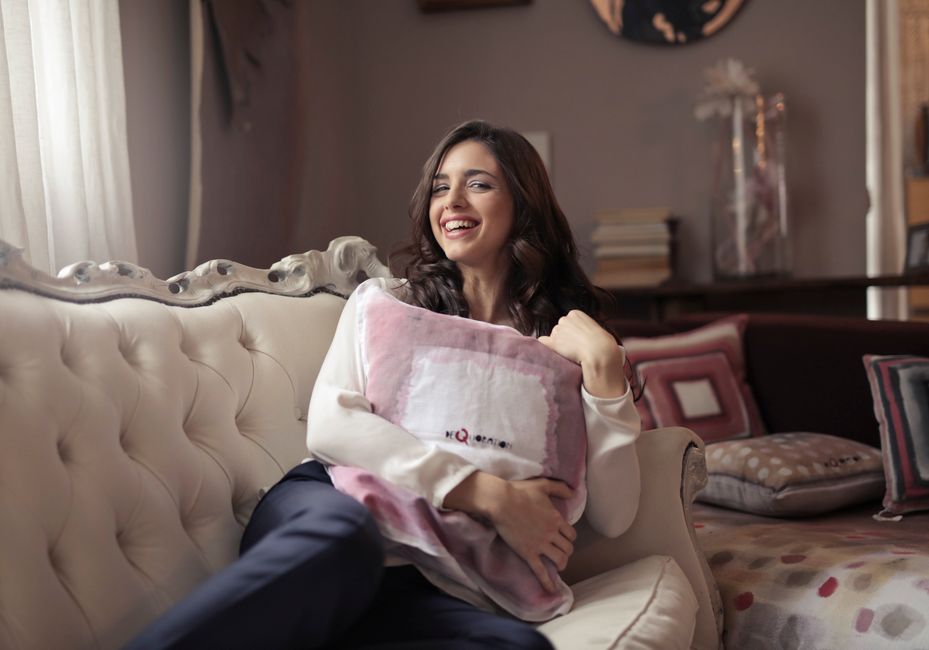
The strongest February refresh uses a small color shift, not a complete room makeover. Winter light can make gray, cream, and beige interiors feel flat, so add one warmer note such as rust, terracotta, dusty pink, ochre, or deep berry. Keep the larger pieces quiet and place the new color in one or two small textile areas.
Use the 60-30-10 rule for cushions and throws
Use the existing room as the base. About 60 percent of the textile area should stay in the main neutral or dominant color. About 30 percent can use a supporting color already found in the rug, artwork, wood, or curtains. The final 10 percent should be the February accent.
For a gray sofa, that might mean three gray or cream cushions, two muted rose pieces, and one rust accent. For a beige sofa, use olive or chocolate as the support color and brick red as the small accent. This keeps the refresh visible without making the room look themed.
Test the color in morning and evening light
Hold a cushion cover or throw near the sofa at 9 a.m., 3 p.m., and after the main lamps are on. Blue-based pinks often look colder at night. Orange-based rust can look much darker beside warm bulbs. A phone photo also helps because the camera exposes color clashes that are easy to miss when you are standing close to the fabric.
Limit patterns to one clear lead
Choose one pattern to lead the arrangement. Let the other textiles support it with solids, small checks, or quiet texture. Two large patterns beside each other create visual noise, especially on a small sofa. The best February combination is often one patterned cushion, one textured solid, and one plain cushion in a related color.
Verdict: Pick the palette before opening a shopping app. A two-color limit plus one accent gives a stronger result than collecting several attractive but unrelated pieces.
Use cushion covers instead of buying new inserts
For most February updates, the best purchase is a cover, not a complete cushion. Your existing inserts already fit the sofa, and a removable cover costs less to store, wash, and replace later. Buy a new insert only when the current one has collapsed, smells musty after washing, or leaves hollow corners.
Compare practical cover options
Prices are U.S. reference prices checked in 2026 and can change by store or stock level. The clear budget winner is the IKEA PS 2026 cover when you need one strong color hit. Choose SANELA when the room needs softness rather than more pattern. Use TOFTÖ only where durability matters; its outdoor-friendly construction can feel less relaxed than cotton velvet indoors.
Buy the insert only when the shape needs fixing
Put the old insert inside the cover and pinch the top corners. If the corners stay empty, the insert is too small or too flat. For a fuller look, an insert one to two inches larger than the cover can work with soft feather or feather-blend filling. Do not force a stiff polyester insert into a smaller cover. It creates hard ridges and makes the cushion uncomfortable.
Best budget choice: keep the inserts that still recover after a firm shake, then spend the money on one cover with a clear job.
Style the throw you already own in 15 minutes
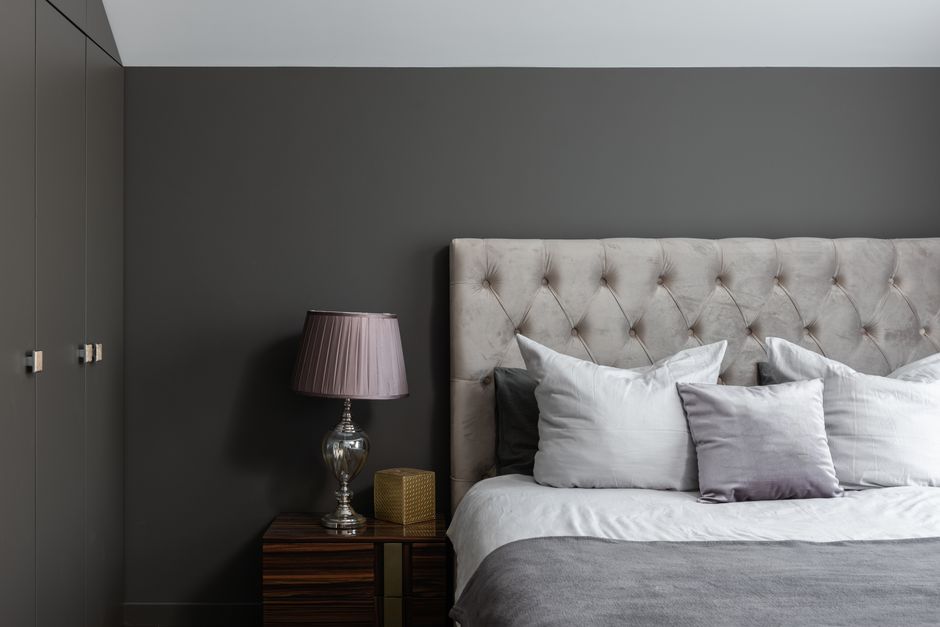
My strongest recommendation is to restyle the existing throw before replacing it. February rooms often look stale because the throw has stayed folded in the same position since autumn, not because the throw is wrong.
Use a simple three-step fold
- Shake the throw outdoors or over a clean floor to remove loose dust.
- Fold it lengthwise into a strip about 12 to 16 inches wide.
- Drape it over one sofa arm or across the lower third of the seat, leaving one end slightly uneven.
The uneven end keeps the arrangement from looking like a furniture showroom. A thick throw works best over an arm. A thin cotton throw looks better across the seat or over the back of an occasional chair.
Move texture, not just color
If your cushions are smooth, place the throw where its weave can be touched. If your cushions already have boucle, velvet, or heavy fringe, use the throw as a calmer layer. Texture needs contrast to remain visible. Three fuzzy textiles in the same area usually look heavy rather than cozy.
Check the throw after one day of use. If it slides to the floor, fold it shorter or place one corner under the seat cushion. Do not add several decorative clips or ties; they make a casual layer look stiff. If the throw is permanently pilled, stretched, or shedding fibers, replace the throw alone rather than buying a coordinated set.
A clean fold, a different position, and one freshly washed cushion can change the room in less than 15 minutes.
Avoid five mistakes that make a small refresh look unfinished
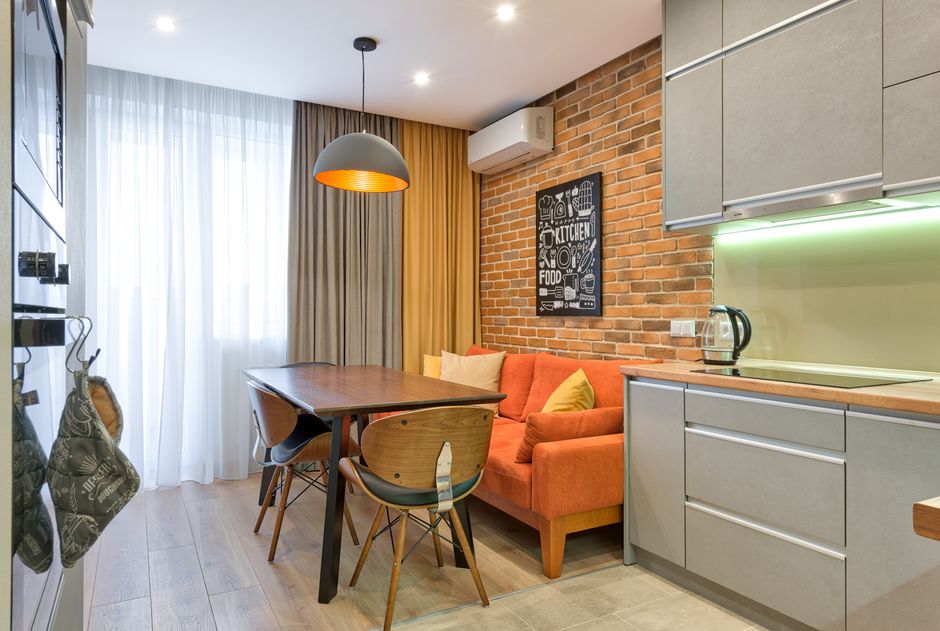
Do not buy a full set just because the pieces are displayed together. A full set repeats color, texture, and scale so closely that the room can look flat.
Skip these common buying mistakes
- Buying without measuring: A 20 by 20 inch cover cannot fix an 18 by 18 inch insert unless you accept a loose fit.
- Adding only more beige: A neutral room needs contrast in color, texture, or pattern. Another nearly identical beige cover will not create much change.
- Ignoring the washing label: Check whether the cover can be machine washed before placing it in a high-use spot.
- Using too many patterns: Keep one large pattern as the lead and make the rest quieter.
- Replacing a good insert: If the insert still holds its shape, replace the cover and keep the filling.
Know when not to buy anything
Buy nothing if the textiles are clean, the inserts still look full, and the room already has a warm accent color. Rearrange the cushions, wash the throw, rotate the rug if possible, and move one lamp or plant into the sightline. That costs nothing and tests whether the room actually needs new fabric.
Buy one cover if the room has a clear empty spot. Buy a new throw only when the existing one has a damaged edge, permanent pilling, or a size that does not cover the area where people sit. A successful February refresh should leave you with a better room and fewer pieces to store.