

Hanoi in January sits at 15°C with drizzle. Ho Chi Minh City sits at 32°C with 75% humidity. You cannot pack for one Vietnam. You pack for three Vietnams.
I learned this the hard way. I landed in Hanoi with a suitcase full of linen shirts and one thin hoodie. I spent the first three days buying a puffer jacket from a random shop in the Old Quarter that smelled like mothballs. Then I flew south and carried that stupid jacket around Saigon for a week, sweating through my backpack straps.
This guide fixes that. It’s a January-specific packing list built around the actual temperature spread, not generic travel advice.
The Weather Split: Why January Breaks Packing Rules
January is Vietnam’s coolest month, but “cool” means completely different things depending on latitude.
| Region | City | Avg High | Avg Low | Humidity | Rain Days |
|---|---|---|---|---|---|
| North | Hanoi | 19°C / 66°F | 14°C / 57°F | 75% | 8-10 |
| North (Mountains) | Sapa | 15°C / 59°F | 7°C / 45°F | 80% | 6-8 |
| Central | Da Nang / Hoi An | 25°C / 77°F | 19°C / 66°F | 78% | 10-12 |
| South | Ho Chi Minh City | 32°C / 90°F | 23°C / 73°F | 72% | 2-3 |
| Islands | Phu Quoc | 30°C / 86°F | 24°C / 75°F | 74% | 2-3 |
The central coast is the wildcard. Da Nang and Hoi An get real rain in January — not the quick tropical downpour, but day-long gray drizzle that soaks through shoes. Plan for wet feet there.
The core strategy: pack one lightweight insulated layer that compresses small, and build everything else as thin, quick-dry layers. You will not wear a heavy coat south of Hue.
The Non-Negotiable Layer System

Forget outfits. Pack a system.
Base layers that actually dry overnight
Humidity in Vietnam means cotton stays wet for 24+ hours. You need synthetics or merino. The Uniqlo AIRism t-shirts ($15) dry in about 3-4 hours in a hotel room with AC. The Patagonia Capilene Cool Daily ($45) dries even faster and resists odor better. Pack 4-5 base tops total. Two of them should be merino — Smartwool Classic All-Season ($55) is the benchmark for multi-day wear without washing.
The one jacket that does the most work
My pick for January in Vietnam: the Patagonia Nano Puff ($199). It weighs 337 grams, packs into its own chest pocket, and handles Hanoi’s 14°C mornings with a base layer underneath. But it’s not too warm for a 19°C evening in Hoi An. A fleece would work for Hanoi but becomes dead weight in the south. A shell alone won’t keep you warm in the north. The Nano Puff is the compromise that earns its space.
If you’re on a tighter budget, the Uniqlo Ultra Light Down ($50) does about 80% of the job at a quarter of the price. It’s less breathable and the zipper feels flimsy, but for a two-week trip it’s completely fine.
Bottoms that don’t look like hiking gear
Two pairs of pants, one pair of shorts. The Outlier Slim Dungarees ($198) are overkill for most people. The Lululemon ABC Pant ($128) is the sweet spot — looks like chinos, stretches, dries fast, and you can wear them to a decent restaurant in Saigon. For the second pair, go lighter. The Patagonia Quandary ($99) is a proper travel pant with zip pockets and UPF 50.
Footwear: The Mistake Everyone Makes in January
You will walk more than you think. Hanoi’s Old Quarter is a 10-15 kilometer-a-day city. Hoi An’s streets flood. Saigon’s sidewalks are an obstacle course.
Three pairs maximum:
- One waterproof walking shoe. The Salomon XA Pro 3D ($140) or Nike Pegasus Trail 4 GORE-TEX ($160). January rain in central Vietnam is persistent. Wet shoes for three days straight will ruin your trip faster than any other packing mistake.
- One sandal that straps to your foot. The Teva Hurricane XLT2 ($75) or Chaco Z/Cloud ($110). For Phu Quoc, for hotel pools, for days when it’s 32°C and humid and the idea of socks makes you angry.
- One pair of lightweight sneakers or loafers for restaurants and evenings. The Allbirds Tree Runners ($105) pack flat and breathe well in heat.
Skip the flip-flops as your only sandal. They don’t stay on in wet conditions and offer zero support for 20,000-step days.
Electronics and the Power Bank Question

Vietnam uses Type A, C, and F outlets — 220V. Most modern chargers handle this automatically, but check the label.
You need a power bank. Grab rides, maps, translation apps, and hotel bookings all drain your phone fast. The Anker 737 Power Bank ($99, 24,000mAh) is heavy but will charge a phone 4-5 times. The Anker Nano Power Bank ($40, 10,000mAh) is half the weight and enough for most days.
One thing people forget: a universal plug adapter with USB-C PD. The Epicka Universal Travel Adapter ($25) handles Vietnam’s three plug types and has two USB-C ports. Without it, you’re buying a cheap adapter at a street stall that will spark and scare you.
Skip the laptop unless you’re working. A phone plus a power bank covers 95% of travel needs. Save the 1.5 kilograms.
What to Leave at Home
Seriously. Leave these.
- Jeans. They’re heavy, they don’t dry, and they’re miserable in 75% humidity. One pair max if you insist, but the ABC Pant does everything jeans do better in Vietnam.
- More than one hoodie. A hoodie is bulky and takes two days to dry. One thin layer or the Nano Puff replaces it.
- A towel. Every hotel, hostel, and homestay in Vietnam provides towels. A travel towel is dead weight.
- Heavy books. Bring a Kindle or read on your phone. Paper books get destroyed by humidity.
- Any shoe you haven’t broken in. Vietnam will break them for you, and your feet will pay the price.
A Realistic 7-Day Packing List for North-to-South
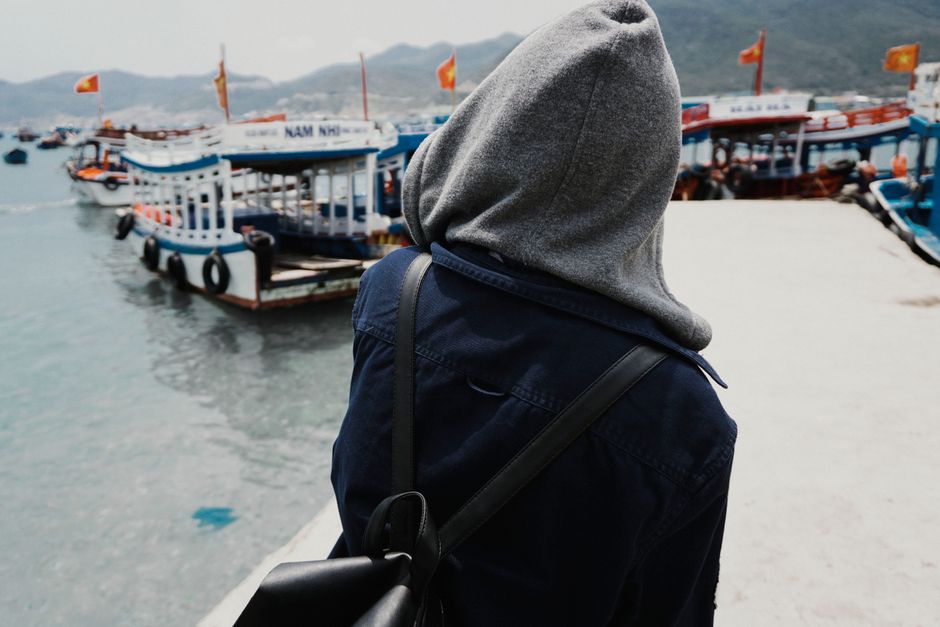
Here’s the exact list I’d pack if I were flying into Hanoi and out of Ho Chi Minh City tomorrow.
Clothing
- 5 base layer tops (mix of AIRism and merino)
- 1 Patagonia Nano Puff or Uniqlo Ultra Light Down
- 2 travel pants (Lululemon ABC + Patagonia Quandary)
- 1 pair of shorts
- 4 pairs of quick-dry underwear (ExOfficio Give-N-Go, $26 each)
- 4 pairs of merino or synthetic socks (Darn Tough Hiker Micro Crew, $25 each)
- 1 swimsuit
- 1 lightweight rain shell (Marmot PreCip Eco, $100)
Footwear
- Salomon XA Pro 3D waterproof trail shoes
- Teva Hurricane XLT2 sandals
Electronics and gear
- Anker Nano Power Bank
- Epicka Universal Travel Adapter
- Phone with offline maps downloaded (Maps.me or Google Maps offline)
- Small dry bag for electronics (Sea to Summit Lightweight Dry Sack, $25)
Toiletries
- Sunscreen SPF 50+ (buy more in Vietnam — it’s cheaper)
- Insect repellent with DEET (essential for Phu Quoc and evenings)
- Any prescription medication plus a copy of the prescription
- Basic first aid: bandaids, antiseptic cream, antihistamine
Total weight should land around 7-8 kilograms in a 35-40 liter pack. The Osprey Farpoint 40 ($185) is the standard for this exact load. It opens like a suitcase, carries like a backpack, and fits carry-on limits for Vietnam Airlines and VietJet.
The Verdict
Pack for Hanoi, layer for Hoi An, strip down for Saigon. The Nano Puff is your single most important item. Waterproof shoes are your second. Everything else is negotiable.
If you’re only going south of Da Nang in January, drop the puffer entirely and bring a thin long-sleeve layer instead. If you’re only going north, add one more warm layer and a beanie for Sapa mornings at 7°C.
The mistake is packing for the trip you imagine instead of the temperatures you’ll actually hit. January in Vietnam is three weather systems in one country. Pack accordingly.